EU approves Keytruda plus Padcev for muscle-invasive bladder cancer
European Commission clears the first PD-1 inhibitor plus antibody-drug conjugate for operable muscle-invasive bladder cancer, citing a 47% lower risk of progression, recurrence or death.
. 2-minute read.
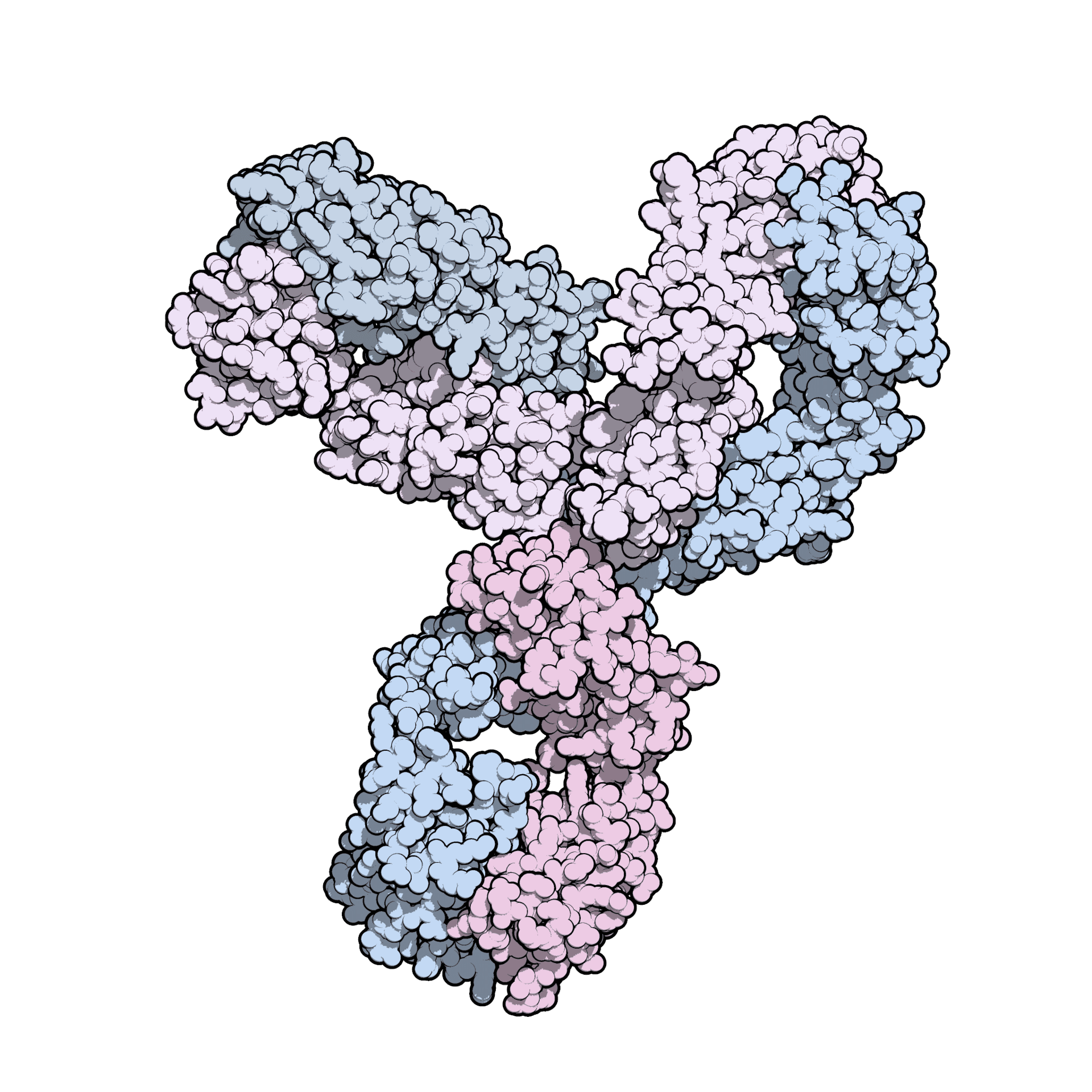
The European Commission has authorised pembrolizumab (Keytruda) with enfortumab vedotin (Padcev) for adults whose bladder cancer invades the muscle and can be surgically removed. The clearance is the first in the EU for a PD-1 inhibitor combined with an antibody-drug conjugate in this setting that does not restrict patients based on cisplatin eligibility. The indication covers neoadjuvant treatment before surgery and adjuvant treatment after radical cystectomy, and it also extends to the subcutaneous version of Keytruda, sold as Keytruda QLEX in the United States, according to the announcement.
The European Medicines Agency's human medicines committee had backed the combination in September 2026. The marketing authorisation applies in the 27 EU member states and in Iceland, Liechtenstein and Norway. Whether patients can obtain the treatment commercially will be determined by national reimbursement decisions in each country.
The evidence comes from KEYNOTE-B15/EV-304, a phase 3 trial conducted with Pfizer and Astellas. The trial enrolled 405 patients who received the combination and 403 who received standard neoadjuvant chemotherapy; all had newly diagnosed muscle-invasive bladder cancer and were eligible for cisplatin. An event-free survival event occurred in 21% (87/405) of the combination group and 36% (146/403) of the chemotherapy group, for a hazard ratio of 0.53 and an absolute difference of 15 percentage points; this translates to a 47% lower risk of progression, recurrence or death. Deaths were reported in 17% (69/405) versus 25% (99/403), a hazard ratio of 0.65 and an absolute difference of 8 percentage points. Pathologic complete response rates were 55.8% and 32.5%, respectively (p < 0.0001).
The trial included only patients eligible for cisplatin, so the findings do not directly show how well the regimen works in patients who cannot take cisplatin; nevertheless, the EU approval covers both groups. The trial's primary investigator, Dr. Alfonso Gómez de Liaño, said cisplatin-based chemotherapy remains the standard but recurrence is a major problem, and that this approval extends a chemotherapy-free perioperative option to patients regardless of cisplatin suitability. Dr. Marjorie Green, who leads oncology at Merck Research Laboratories, said the decision builds on earlier approvals and makes the regimen available to more patients.
The US Food and Drug Administration cleared the same combination for this indication in July 2026, making it the first PD-1 inhibitor plus antibody-drug conjugate regimen approved in the US for muscle-invasive bladder cancer. Bladder cancer is the eighth most common cancer worldwide, with more than 635,000 new cases a year. Europe recorded roughly 208,291 diagnoses in 2024 and over 67,000 deaths. About one in four newly diagnosed cases are muscle-invasive. The usual approach before surgery has been cisplatin-based chemotherapy, but almost half of patients have a recurrence and up to half cannot receive cisplatin.
Sources
- EU approves Keytruda plus Padcev for muscle-invasive bladder cancer, scanx.trade
- Analysis Finds Women Underrepresented as NCCN Guideline Chairs, Targeted Onc - Immunotherapy, Biomarkers, and Cancer Pathways
- Logistics, Payer Rules, and Care Coordination Shape Access to Cancer Innovation, AJMC
Corrections. Report an error to corrections@clinicalobserver.com. Read our corrections policy.