FDA approves bepirovirsen for chronic hepatitis B
In phase 3 trials, about one in five adults reached a functional cure after a six-month course, but a boxed warning requires close monitoring.
. 3-minute read.
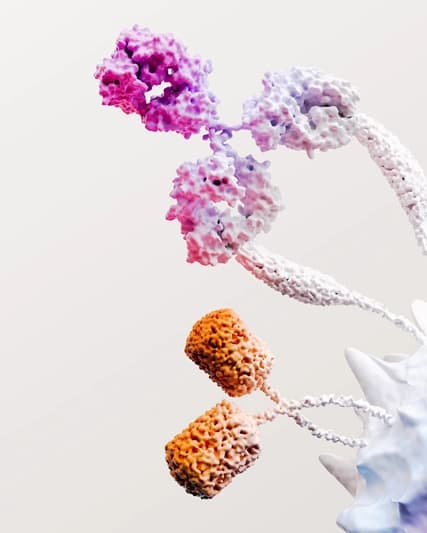
The Food and Drug Administration approved bepirovirsen (Hibsago) on Tuesday for adults with chronic hepatitis B who do not have cirrhosis and have been on antiviral therapy for at least six months, the agency announced. The approval covers patients whose hepatitis B virus DNA is suppressed and whose hepatitis B surface antigen is 3000 IU/mL or less, according to the FDA. GSK markets the drug, which is the first antisense oligonucleotide approved for chronic hepatitis B. The FDA granted bepirovirsen Fast Track, Breakthrough Therapy, and Priority Review status, and it cleared a Roche companion diagnostic to identify eligible patients and track responses.
Hibsago is injected under the skin of the thigh, stomach, or upper arm. For the first two weeks, patients get injections twice a week, then weekly through week 24. It works by blocking the genetic instructions that hepatitis B relies on for replication and protein production. Patients keep taking their daily antiviral pills during the injection course and for at least 24 weeks after treatment ends, after which a clinician may consider whether to stop them.
The approval rests on two double-blind phase 3 trials, B-Well 1 and B-Well 2, that together included more than 1,800 adults. Participants were randomly assigned 2:1 to 300 mg of bepirovirsen subcutaneously once a week or placebo for 24 weeks while remaining on their existing antiviral pills. The primary endpoint, measured at week 72, was a functional cure defined as hepatitis B surface antigen loss plus at least 24 weeks of hepatitis B virus DNA below the lower limit of quantification, according to results published in the New England Journal of Medicine.
Among participants in B-Well 1, 127 of 650 assigned to bepirovirsen (20%) met the functional cure endpoint, while none of the 328 assigned to placebo did. In B-Well 2, 106 of 570 participants (19%) achieved functional cure, compared with none of 286 on placebo. Across both trials, the FDA said 24% of patients given Hibsago met the requirements to stop their existing medicine, compared with none given placebo. Six months after stopping all hepatitis B treatment, 19% of patients who received Hibsago still had the virus in check, and the viral protein was not detectable in their blood. WebMD reported that among patients with lower baseline hepatitis B surface antigen levels, 26% achieved that viral response.
Hibsago carries a boxed warning, the FDA's strongest, for serious liver reactions and low platelet counts that can lead to life-threatening bleeding. The label also carries warnings for declining kidney function, serious inflammatory conditions including vasculitis, and risks tied to incorrect injection technique. Patients need frequent blood tests before and during treatment, and the most common side effects include injection site reactions, fever, fatigue, and headache.
GSK described the result as a functional cure, in which the immune system keeps the infection controlled without continued medication. Dr. Norah Terrault, who leads gastroenterology and hepatology at USC's Keck Medical Center in Los Angeles, said in a GSK release that the approval marked "the start of a new era." Mark Makhinson, PharmD, MBA, who directs outpatient and specialty pharmacy at Mount Sinai Health System, told Pharmacy Times that shifting patients from continuous antiviral therapy to a cure-based treatment "is really going to impact the paradigm of care." Pharmacy Times reported that health systems will compare a time-limited, monitored regimen with many years of suppressive treatment and its long-term complications.
The Hepatitis B Foundation notes that there is still no complete cure for hepatitis B and advises regular checkups with a liver specialist. People with cirrhosis, active liver failure, or a very low platelet count are advised not to take Hibsago. It is not known whether the drug is safe for a fetus or passes into breast milk.
Corrections. Report an error to corrections@clinicalobserver.com. Read our corrections policy.