Measles hospitalizes nearly a quarter of infected pregnant women in U.S.
A preliminary CDC analysis found almost one in four of 112 infected pregnant women were admitted for non-obstetric complications, and at least 13 infants were infected.
. 1-minute read.
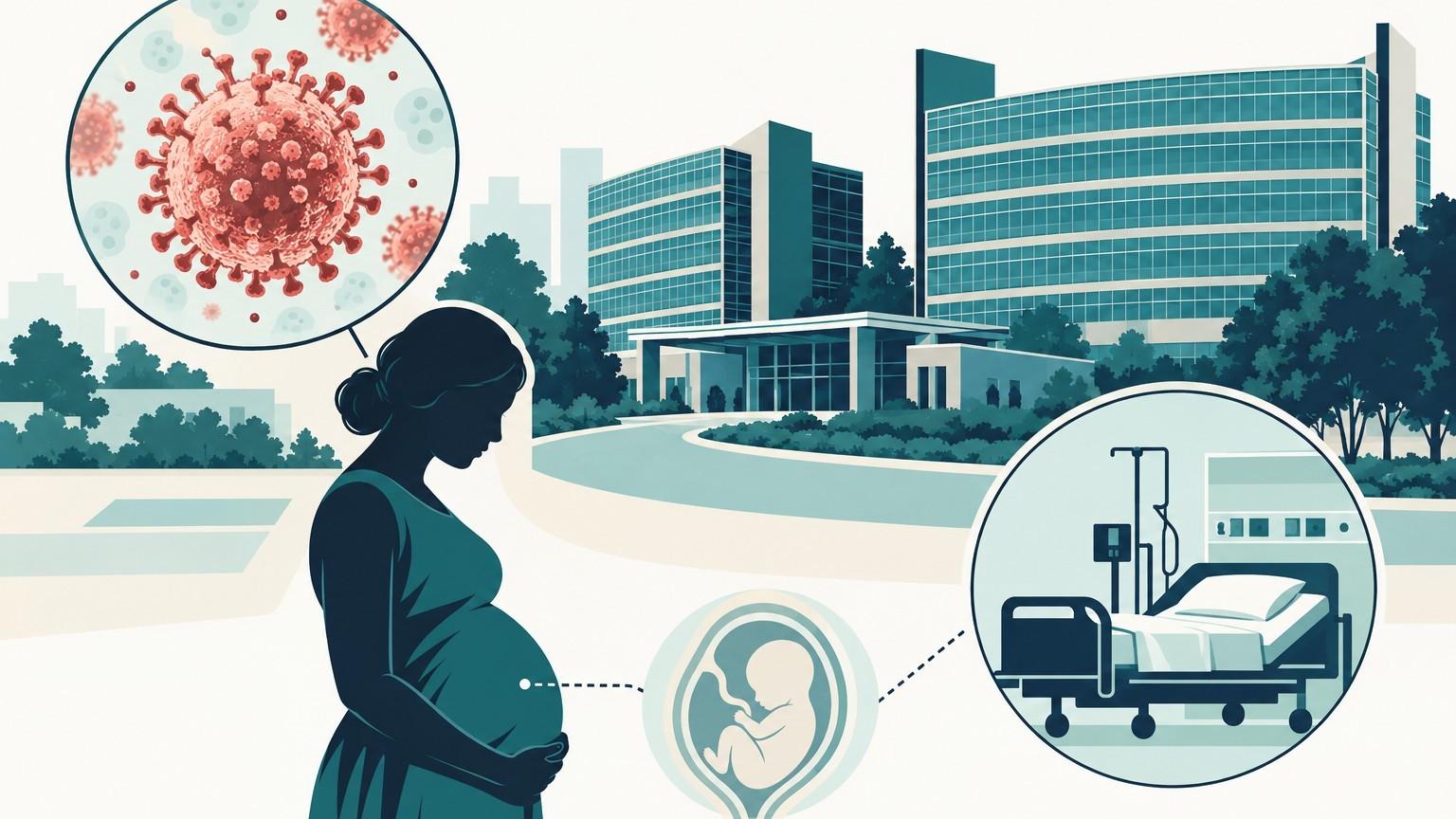
The New York Times reported Monday that U.S. measles infections over the past two years included more than 100 pregnant women and at least 13 infants. Researchers from the Centers for Disease Control and Prevention analyzed 112 of those pregnancies for a preliminary report in New England Journal of Medicine Evidence and found that about one in four required hospital care for problems other than delivery.
Pneumonia and respiratory failure were among the complications. One woman was admitted to an intensive care unit, some delivered preterm, and two lost their pregnancies. Most of the women were unvaccinated. The report describes the findings as preliminary.
The findings add detail on the harm such infections cause. Pregnancy dampens immune defenses, leaving women more vulnerable to measles; earlier research cited by the Times found they face more severe complications and a tenfold higher risk of death.
Michael Osterholm, a University of Minnesota public health expert, said, “This is much worse than we thought.”
The report is the first to track how measles in pregnancy, once very uncommon, has increased as the virus has spread again nationally.
The Times said the report lands just before the U.S. is expected to surrender its measles elimination status. The federal health department has faced ongoing criticism for its measles response, and Health Secretary Robert F. Kennedy Jr. has repeatedly questioned MMR vaccine safety and effectiveness, urged weaker childhood immunization recommendations, and reduced vaccine research funding, according to the article.
Sources: The New York Times
Corrections. Report an error to corrections@clinicalobserver.com. Read our corrections policy.