Washington dairy worker dies of H5N1 after cattle exposure
WHO confirms three human H5N1 infections in Yakima County, including the first reported death linked to infected dairy cattle; no evidence of human-to-human transmission.
. 2-minute read.
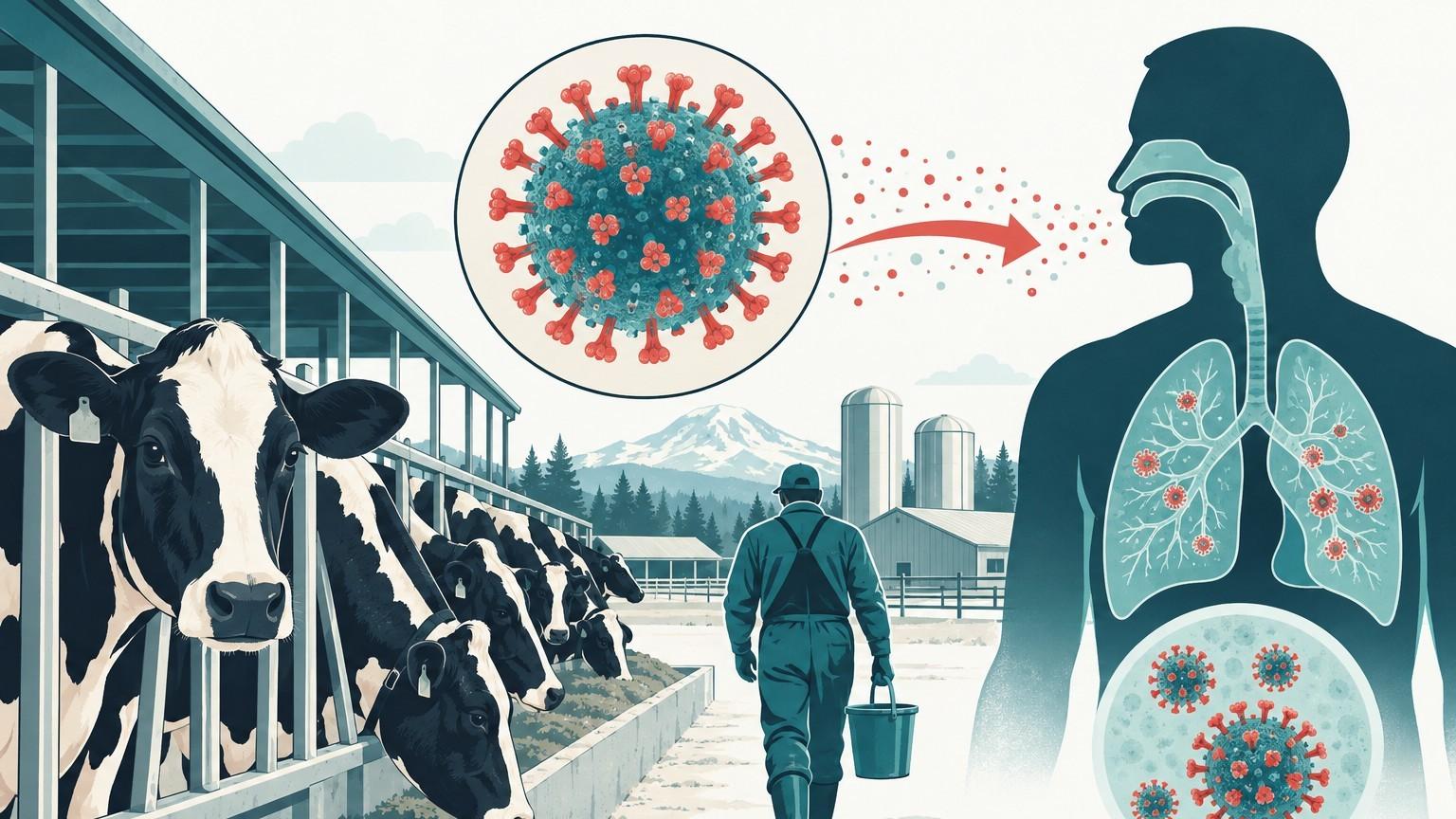
The U.S. reported three people with confirmed influenza A(H5N1) infection in Washington State to WHO between Oct. 16 and Nov. 4, 2026, according to a WHO Disease Outbreak News report published Nov. 24. All were adults 18 or older and had jobs on dairy farms in Yakima County, where highly pathogenic avian influenza A(H5N1) had recently been found in dairy cattle; one died. It is not clear whether the three worked at the same farm.
The first patient began having symptoms on Oct. 5: eye irritation, runny nose, muscle aches and headache. The person sought care on Oct. 12, was not hospitalized and was offered oseltamivir. Conjunctival and nasopharyngeal specimens were collected that day. The Washington State Public Health Laboratory used the CDC influenza A(H5) assay; the conjunctival sample was positive, and CDC later identified influenza A(H5N1).
The second patient had underlying medical conditions and developed respiratory symptoms during the week ending Oct. 24. The following week, the person went to an emergency department, was admitted with severe illness, and died on Nov. 1. A respiratory specimen from this patient was positive for influenza A virus, and the University of Washington found a presumptive influenza A(H5) result. The Washington State Public Health Laboratory later confirmed influenza A(H5) with the CDC assay, and further testing at the university identified A(H5N1).
The third patient developed conjunctivitis, sought medical care and did not need hospitalization. At the Washington State Public Health Laboratory, specimens collected during the week ending Oct. 31 were positive for influenza A(H5) on the CDC assay; a specimen was sent to CDC for additional testing.
Sequencing of viruses from all three patients confirmed the A(H5N1) subtype and showed close matches to viral sequences from Washington State dairy cattle. On Nov. 4, the U.S. Department of Agriculture reported that whole-genome sequencing of the first two affected dairy herds in Washington identified genotype B3.13. Genetic analysis suggested the virus was introduced from Idaho State, probably through cattle movement.
WHO said the fatal case is the first reported death globally among people exposed to infected dairy cattle. By Nov. 20, 75 human infections with influenza A(H5) virus had been reported in the United States since 2024, including the three in this report. Public health authorities are investigating the cases, monitoring exposed people and close contacts, testing symptomatic exposed people, and coordinating with animal health authorities. Based on current information, WHO has seen no evidence of human-to-human transmission.
WHO assesses the risk to the general population as low and the risk for people with occupational exposure as low to moderate. It advises avoiding unprotected contact with sick or dead animals and contaminated environments, using personal protective equipment for occupationally exposed people, avoiding raw or unpasteurized milk, and properly cooking eggs, poultry meat and other poultry products. Pasteurized milk and milk products can be consumed safely.
WHO notes that no readily available vaccines against influenza A(H5) virus exist for humans, and seasonal influenza vaccines probably do not protect against avian influenza A(H5) viruses. The agency does not recommend special screening at points of entry or any travel or trade restrictions. The situation may change as more information becomes available, and WHO continues to monitor these viruses and the global epidemiological situation.
Sources: World Health Organization
Corrections. Report an error to corrections@clinicalobserver.com. Read our corrections policy.