Bayer’s finerenone lowers albumin in type 1 diabetes kidney disease trial
In a 242-person trial, the least-squares mean urine albumin-to-creatinine ratio to baseline was 0.66 with finerenone and 0.88 with placebo over six months, according to ClinicalTrials.gov.
. 1-minute read.
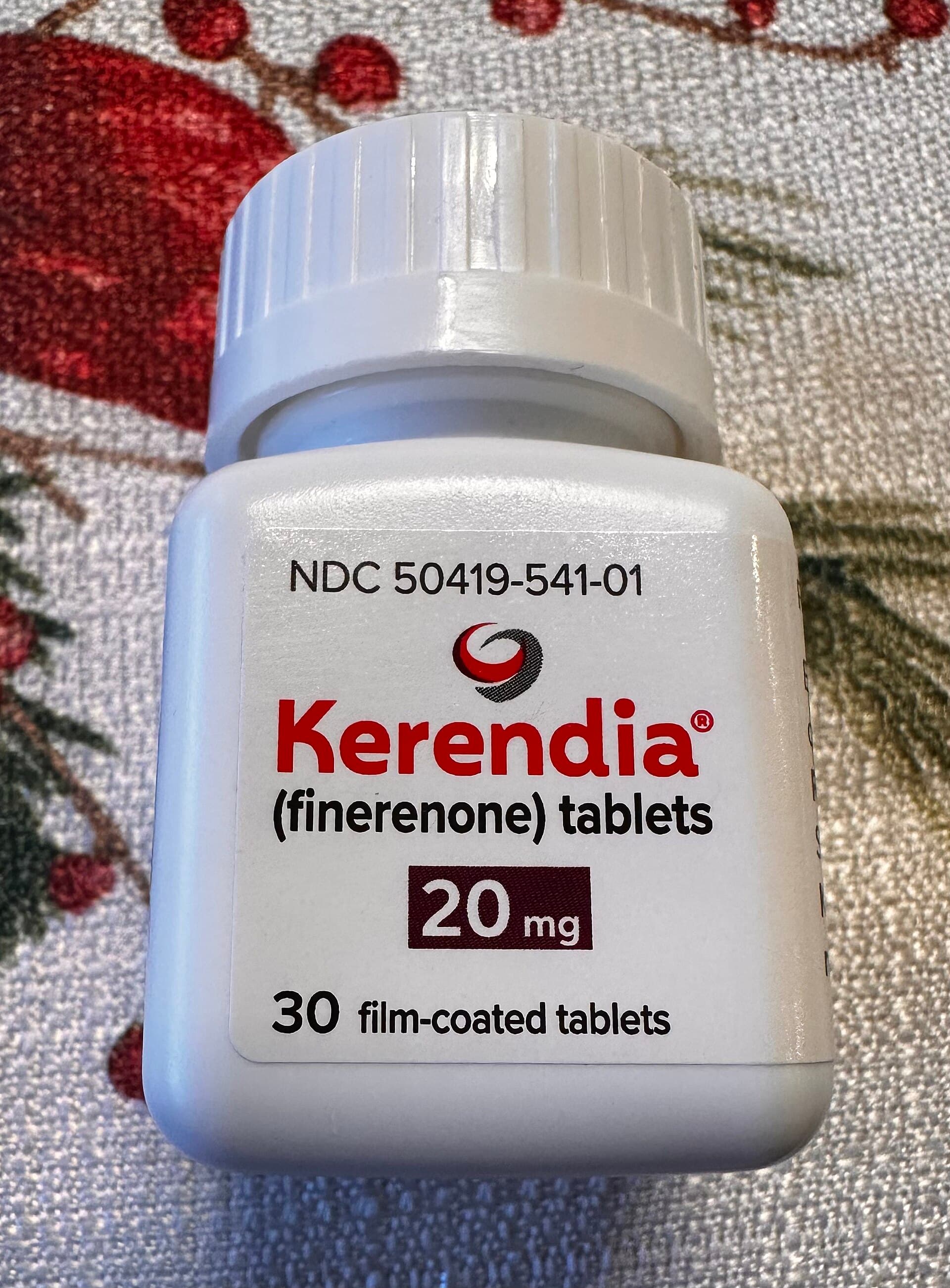
Bayer’s finerenone lowered urine albumin-to-creatinine ratio (UACR), the primary outcome of a trial in people with chronic kidney disease and type 1 diabetes, according to results the company posted on ClinicalTrials.gov on 27 October 2026. Among 242 enrolled participants, the least-squares mean UACR ratio to baseline over six months was 0.66 in the finerenone group and 0.88 in the placebo group (p=0.0001).
The trial compared finerenone with placebo when both were added to standard of care. Finerenone blocks mineralocorticoid receptors; the registry entry says increased stimulation of those receptors is thought to damage the kidneys and heart, and finerenone is already approved for people with chronic kidney disease and type 2 diabetes. Participants took study treatment for six months and stayed in the study for up to 7.5 months.
The registry lists safety measures including treatment-emergent adverse events, serious treatment-emergent adverse events and hyperkalaemia, but the posting summarized results for the primary endpoint without safety event rates.
Corrections. Report an error to corrections@clinicalobserver.com. Read our corrections policy.