Ziltivekimab fails while Tezspire and efgartigimod succeed in immunology readouts
Novo Nordisk's IL-6 inhibitor missed its cardiovascular endpoint, but argenx and AstraZeneca/Amgen posted late-stage wins in myositis and eosinophilic esophagitis, showing how endpoint selection frames results.
. 3-minute read.
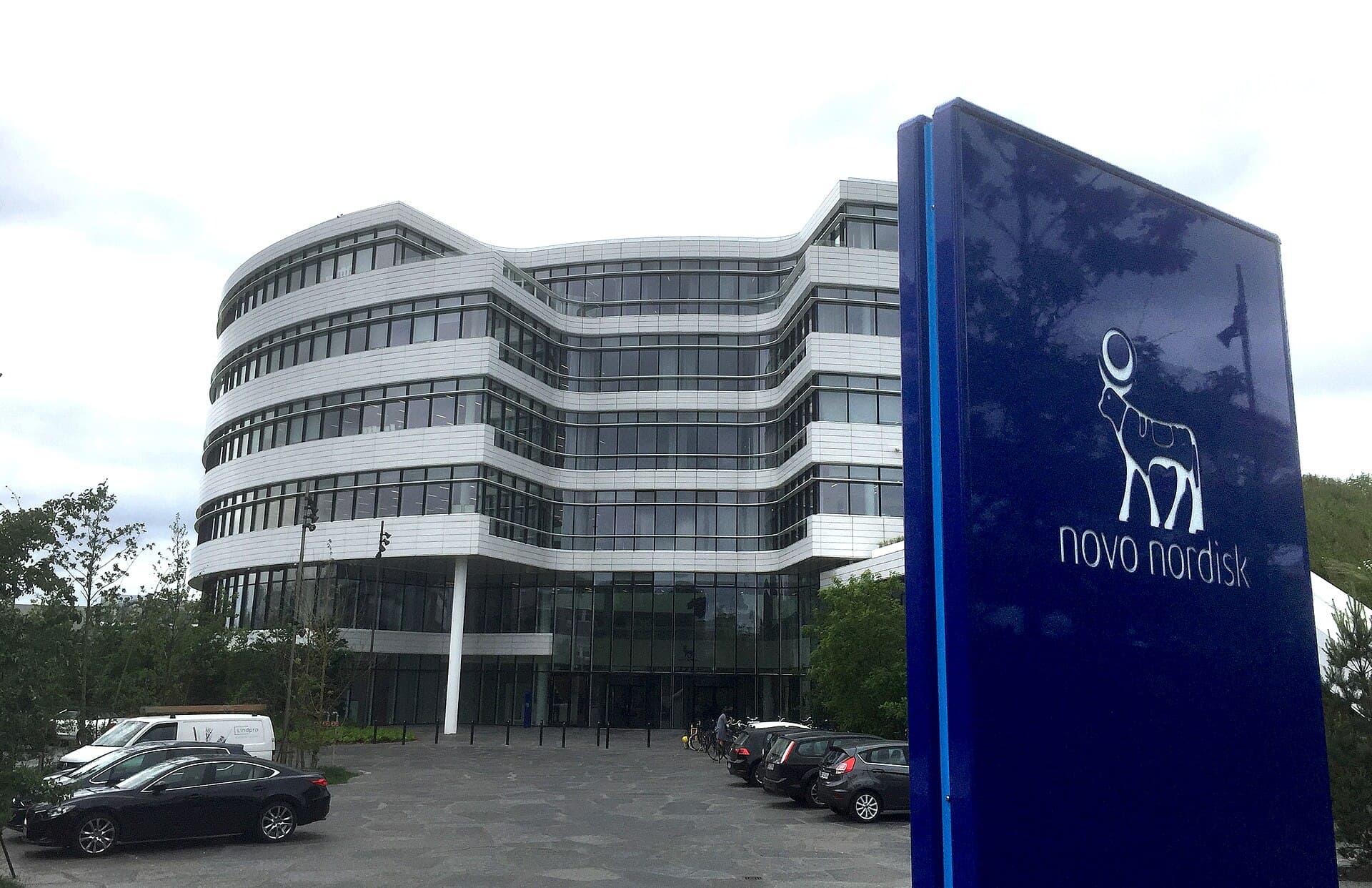
Novo Nordisk's IL-6 inhibitor ziltivekimab failed its phase 3 ZEUS trial, missing the primary endpoint of major adverse cardiovascular events. On 17 August, argenx reported a phase 3 win for efgartigimod in autoimmune myositis. AstraZeneca and Amgen separately reported that tezepelumab met both co-primary endpoints in eosinophilic esophagitis.
Immunology keeps drawing developers because a single mechanism can serve multiple diseases and patients often stay on treatment for years. Betty Pio, a partner at Kearney, told PharmaVoice that immunology is multi-specialty, expanding from rheumatology and dermatology into areas like respiratory disease. She said the field is moving toward more precise cytokine and inflammatory cascade targets, while companies look for mechanisms with multi-indication opportunity and best-in-class or first-in-class potential.
The ZEUS trial enrolled 6,300 patients with atherosclerotic cardiovascular disease, chronic kidney disease, and inflammation. It compared once-monthly 15 mg ziltivekimab against placebo. The primary endpoint was major adverse cardiovascular events, a composite of death, non-fatal heart attack, and non-fatal stroke. The trial was designed to detect at least a 20% relative risk reduction with 95% power. The result showed a hazard ratio of 0.99, with a 95% confidence interval of 0.88 to 1.11, consistent with anything from a 12% reduction to an 11% increase in events.
Novo Nordisk's research chief said ziltivekimab produced the expected biological effect on the IL-6 pathway but that did not translate into clinical benefit. The company's shares fell about 7% in Copenhagen trading, though analysts said the drop seemed excessive for a drug with a small expected share of Novo's portfolio.
Argenx's phase 3 ALKIVIA trial in adults with autoimmune myositis enrolled 264 patients, with 175 in the phase 3 portion, and compared weekly subcutaneous efgartigimod against placebo. The primary endpoint was mean Total Improvement Score at week 52. In the combined immune-mediated necrotizing myopathy and dermatomyositis population, treated patients had a 15.4-point greater improvement, with scores of 47.95 versus 32.56 and a p value of 0.0011. The IMNM subgroup was significant at p equals 0.0048, while DM showed a 14.5-point improvement but missed statistical significance at p equals 0.1093.
The phase 3 CROSSING trial of tezepelumab in eosinophilic esophagitis randomized 368 patients aged 12 to 80 with symptomatic and histologically active disease to low-dose tezepelumab, high-dose tezepelumab, or placebo every four weeks. Co-primary endpoints at week 24 were histologic remission, defined as peak esophageal eosinophils at or below six per high-power field, and change in the Dysphagia Symptom Questionnaire score. Both doses showed statistically significant and clinically meaningful improvements on both co-primary and all key secondary endpoints, sustained through week 52.
These three readouts clarify how endpoint selection guides interpretation. ZEUS used a hard clinical composite endpoint and failed despite showing on-target biomarker activity. ALKIVIA used a Total Improvement Score that embraces muscle and skin measures; the combined population reached significance even though the smaller DM subgroup alone did not. CROSSING used dual co-primary endpoints, histology plus patient-reported dysphagia, and succeeded on both.
What the readouts do not show is equally important. The ZEUS failure does not affect Novo's 2026 profit outlook, but it will trigger a non-cash impairment charge in the third quarter. Two other ziltivekimab cardiovascular outcome trials, HERMES and ARTEMIS, are due in the first half of 2027. Argenx and AstraZeneca disclosed only topline press-release data; full results will be presented at medical meetings, and neither has yet been peer reviewed.
Immunology remains crowded because companies are pursuing overlapping mechanisms across many indications, as PharmaVoice described. A single mechanism, such as IL-23, can support a portfolio of diseases; AbbVie's Skyrizi is expected to generate more than $33 billion in 2032 from multiple indications, according to Evaluate. Deal activity around targets like TL1A and IL-17, and the push into respiratory disease, keep new assets flowing into late-stage trials.
Sources
- ZEUS delivers a bolt of pain to Novo Nordisk, pharmaphorum
- Novo Nordisk’s ziltivekimab misses Phase 3 primary endpoint, Drug Discovery and Development
- argenx Announces Positive Topline Results from Phase 3 ALKIVIA Trial of Efgartigimod in Autoimmune Myositis, GlobeNewswire
- 3 takeover targets in immunology, PharmaVoice
- Tezspire demonstrates positive Phase III results in eosinophilic esophagitis across both co-primary and all key secondary endpoints, AstraZeneca
- Four Implications Of The Phase 3 Cancer Vaccine Results, Life Science Leader
Corrections. Report an error to corrections@clinicalobserver.com. Read our corrections policy.