HHS allows compounding pharmacies to sell six unapproved peptides
Hims & Hers will offer some of them, including TB-500 and BPC-157, though the FDA has not approved the products for safety or effectiveness.
, updated . 2-minute read.
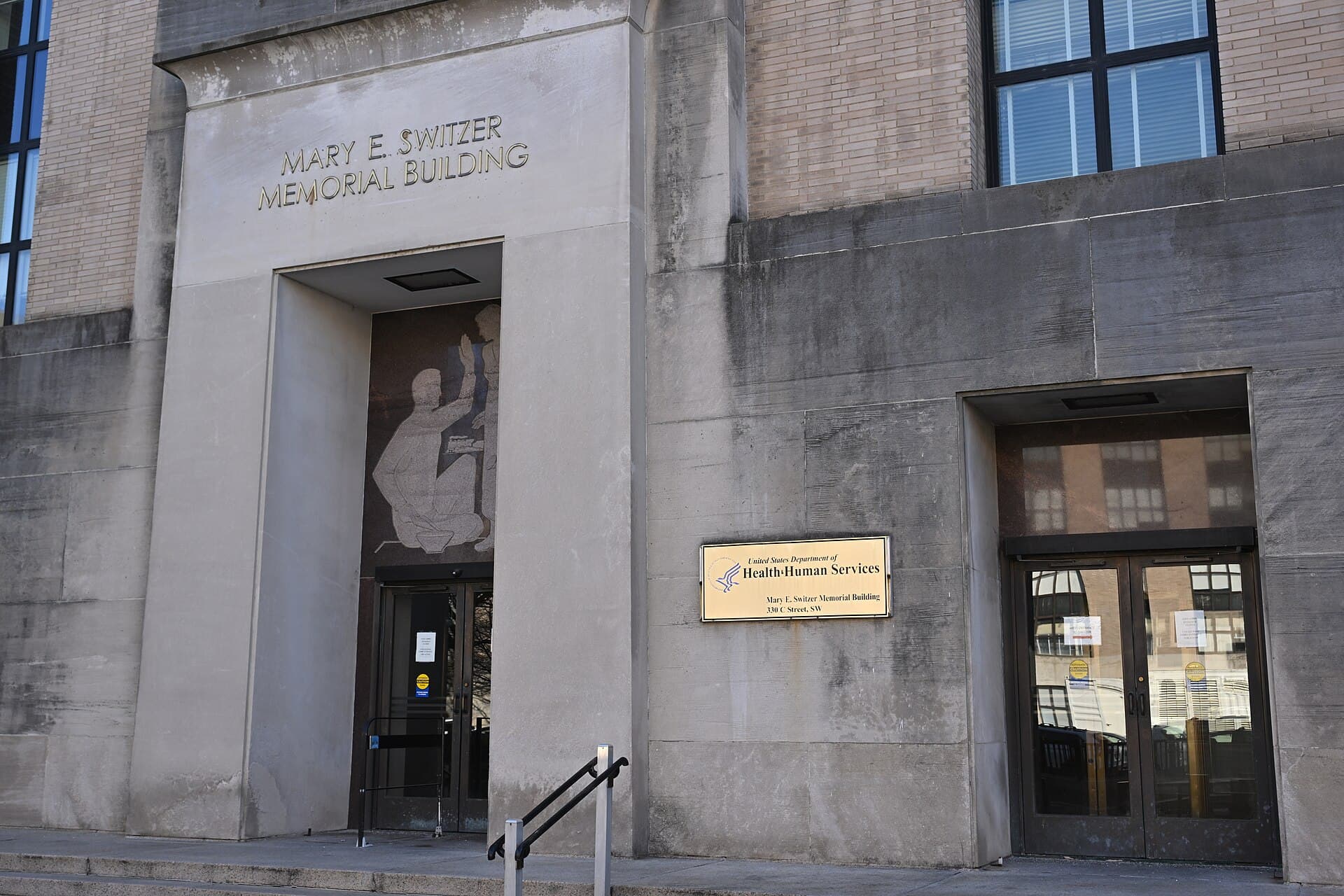
The Department of Health and Human Services is allowing six unapproved peptide products to be compounded and distributed by state-licensed pharmacies. The products on the list are BPC-157, epitalon, KPV, MOTS-c, Semax and TB-500. Health Secretary Robert F. Kennedy Jr has personally promoted the products, and social media influencers have popularised them for uses such as tissue repair, muscle recovery, sleep, metabolism, inflammation and pain. HHS said the policy aims to stop users from getting peptides from unsafe black markets, which often sell products made abroad, and to direct them instead to "federal facilities and licensed pharmacies and physicians".
Telehealth company Hims & Hers will soon offer some of the unapproved peptides to customers, according to Pharmaphorum. TB-500 is marketed for tissue repair and muscle recovery, while BPC-157 is for tissue repair and healing; the two are sometimes combined in what users call a "Wolverine" stack, said to speed recovery from injuries to muscle, tendon or ligament. It is also offering compounded sermorelin and glutathione. A page inviting customers to sign up for updates states that the products lack FDA approval and have not been assessed by the regulator for safety, effectiveness or quality.
None of the six peptides has been approved by the FDA as a treatment, and there is scant clinical evidence that they are effective, Chemistry World reported. People usually obtain the peptides through online black- and grey-market sellers and wellness clinics. FDA staff regulators advised strongly against allowing the peptides for compounding, pointing to concerns about verifying the identity of the peptides or their salts, as well as impurities and microbial contamination. The permissive arrangement does not amount to FDA endorsement of safety or efficacy.
The HHS decision follows a July recommendation by the FDA's pharmacy compounding advisory committee. That committee narrowly voted to permit compounding of the six peptides, a month after its membership was revised so that seven of eight new members had active businesses involved in supplying peptides, raising conflict-of-interest allegations. The committee acted against the advice of FDA staff scientists.
HHS Secretary Robert F. Kennedy Jr has been a user and champion of peptides, according to Pharmaphorum, and the policy has raised concerns that it runs counter to the FDA's responsibility to protect the public. Critics say many consumers wrongly assume compounded medicines have undergone rigorous testing and are FDA-approved, and they warn that users could encounter contaminants, impurities and side effects, especially when combining peptides in stacks. In 2023 the Biden administration barred pharmacies from making 19 formulations because of safety worries.
International regulators such as the UK's MHRA have been cracking down on peptide sales, seizing thousands of injectables where health claims were made. Hims & Hers does not make health claims for the products on its website.
Update, November 11, 2026
The policy is an exercise of enforcement discretion rather than a formal addition to the FDA's compounding list, BoxLife Magazine reported on Wednesday. HHS said it does not intend enforcement action against state-licensed pharmacies, federal facilities or licensed physicians compounding BPC-157, TB-500, MOTS-c, Semax, epitalon or KPV if 10 conditions are met. The policy lasts only until each peptide is addressed in a final FDA rule, and HHS can end it if a safety signal appears. The notice says it creates no rights and does not bind HHS. Oral BPC-157 requires pharmacies to document that their specific formula is absorbed in humans. Compounders may not make blends or use injector pens. Ingredients must come from FDA-registered manufacturers and pass roughly 20 testing categories, with two independent methods confirming identity. A public comment docket closes around November 13. The magazine also reported that YouTuber Dr. Alex, who discusses the policy, is a paid advisor to Superpower, a telehealth peptide provider.
Sources: Chemistry World, pharmaphorum, BoxLife Magazine
Corrections. Report an error to corrections@clinicalobserver.com. Read our corrections policy.