Kennedy health department waives conflicts for preventive panel
Blanket waivers were granted to every U.S. Preventive Services Task Force member, including two whose private practices could profit from the panel's recommendations.
. 1-minute read.
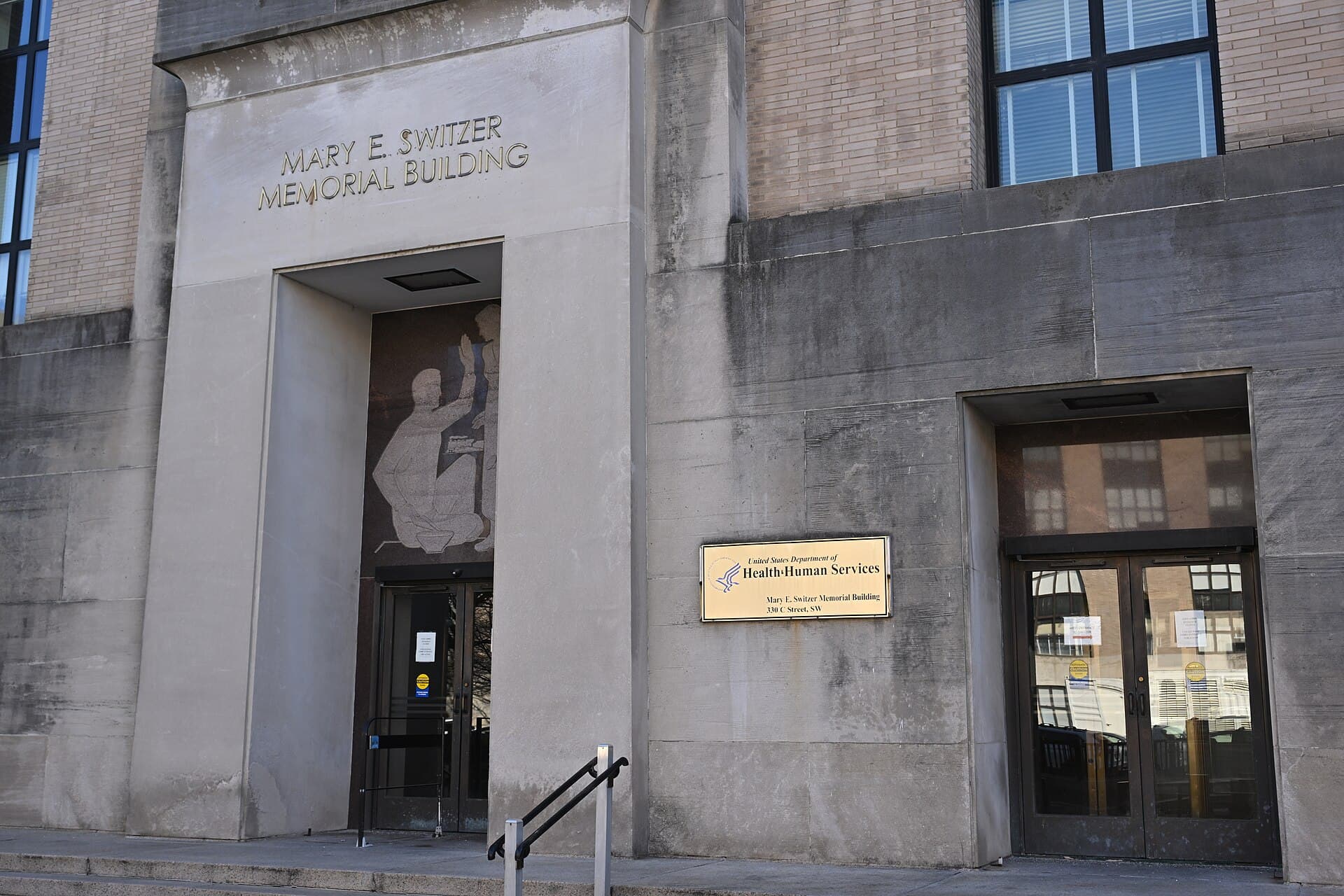
Health secretary Robert F. Kennedy Jr.'s department has waived conflict-of-interest restrictions for every member of the U.S. Preventive Services Task Force, STAT reported on Wednesday. The waivers allow members to serve despite financial stakes in decisions the panel could make, according to documents obtained by STAT. The panel evaluates preventive medical services and is little known but influential.
The waivers were signed by a top federal official and show a willingness to overlook financial conflicts, even as Kennedy frequently criticizes corporate influence in health care, STAT reported.
Two panel members own private medical practices that could profit if the task force recommends particular types of care, according to the documents. The waivers cover other financial ties, such as shares in drug and device makers and jobs at public universities that deliver health services. STAT noted that conflicts among the panel's more recent appointees tend to be broader than those of longer-serving members.
Sources: STAT
Corrections. Report an error to corrections@clinicalobserver.com. Read our corrections policy.