Wisconsin infant dies in measles outbreak, first state death since 1990
The death comes as Wisconsin reports 431 confirmed cases in 13 counties, the highest count in more than 35 years, and nine hospitalizations.
. 2-minute read.
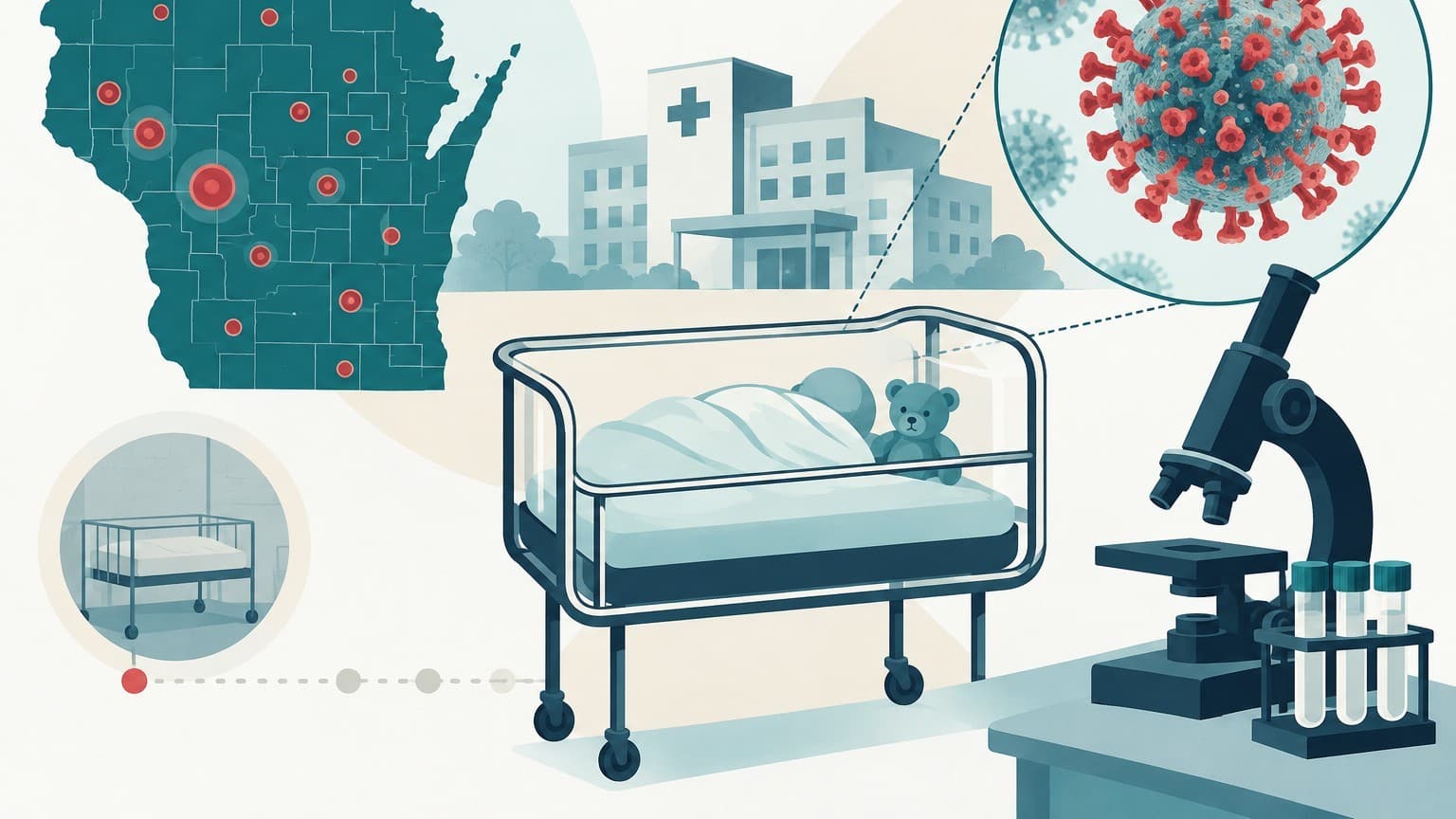
Wisconsin health officials announced Thursday that an infant in the southwestern part of the state has died of measles, the first such death in Wisconsin since 1990. The immediate cause of death was recorded as measles, and the Department of Health Services said no further information about the child or family would be released to protect their privacy.
"Any death of a child is a tragedy and even more so when it is related to a vaccine-preventable disease," department secretary Kirsten Johnson said in a statement. Johnson added that measles can lead to severe illness and death, and urged Wisconsin residents to check their own risk and act to safeguard themselves and their families.
The department reported 431 measles cases in 13 counties as of Nov. 3, before five additional cases were confirmed in Green Lake County. That number, the most in over 35 years, includes nine people who needed hospital care for severe illness. Officials note that reported totals likely undercount the outbreak, as some people who become ill do not seek medical attention or testing.
All but three of the state's confirmed patients were unvaccinated against measles, according to DHS. DHS data also showed 99.3% of confirmed cases involved unvaccinated people. Local health officials in Green Lake County reported at least five additional cases tied to a lab-confirmed infection from another county; so far, none of the confirmed or suspected cases involved vaccinated people, and known exposures were confined to private gatherings, with no public locations identified. These are the first confirmed cases in Northeast Wisconsin. Marquette County, which borders Green Lake County, has reported two confirmed cases.
Public health experts pointed to low MMR vaccination coverage as a key factor in the outbreak. CDC data show about 85% of Wisconsin kindergartners had received one dose of the measles, mumps and rubella vaccine in the 2025–2026 school year, below the roughly 95% needed to keep community immunity. Wisconsin's non-medical exemption rate for kindergartners rose to 7.3% last year. After an infected person coughs or sneezes, the virus can remain airborne for up to two hours, giving unvaccinated people nearby up to a 90% chance of infection. DHS said two doses of the MMR vaccine prevent measles in roughly 97% of cases.
Symptoms usually start 10 to 12 days after exposure and may include runny nose, high fever, fatigue, cough, red or watery eyes. A rash commonly appears near the hairline first, then moves to the arms and legs three to five days after symptoms begin. Complications can include pneumonia, brain damage, and deafness. DHS recommends that people exposed to measles stay home, and that anyone who develops a fever and a rash, particularly after exposure or without vaccination, call a healthcare provider before going to a clinic or hospital so staff can prevent exposing others.
The department said the cases are linked to travel from outside the state, but the precise source remains unknown. The department has not released further information about the infant or family.
Corrections. Report an error to corrections@clinicalobserver.com. Read our corrections policy.