Wisconsin infant dies in measles outbreak, state reports
The death is the first linked to measles in Wisconsin since 1990, as the state counts 431 cases in 13 counties this year.
. 2-minute read.
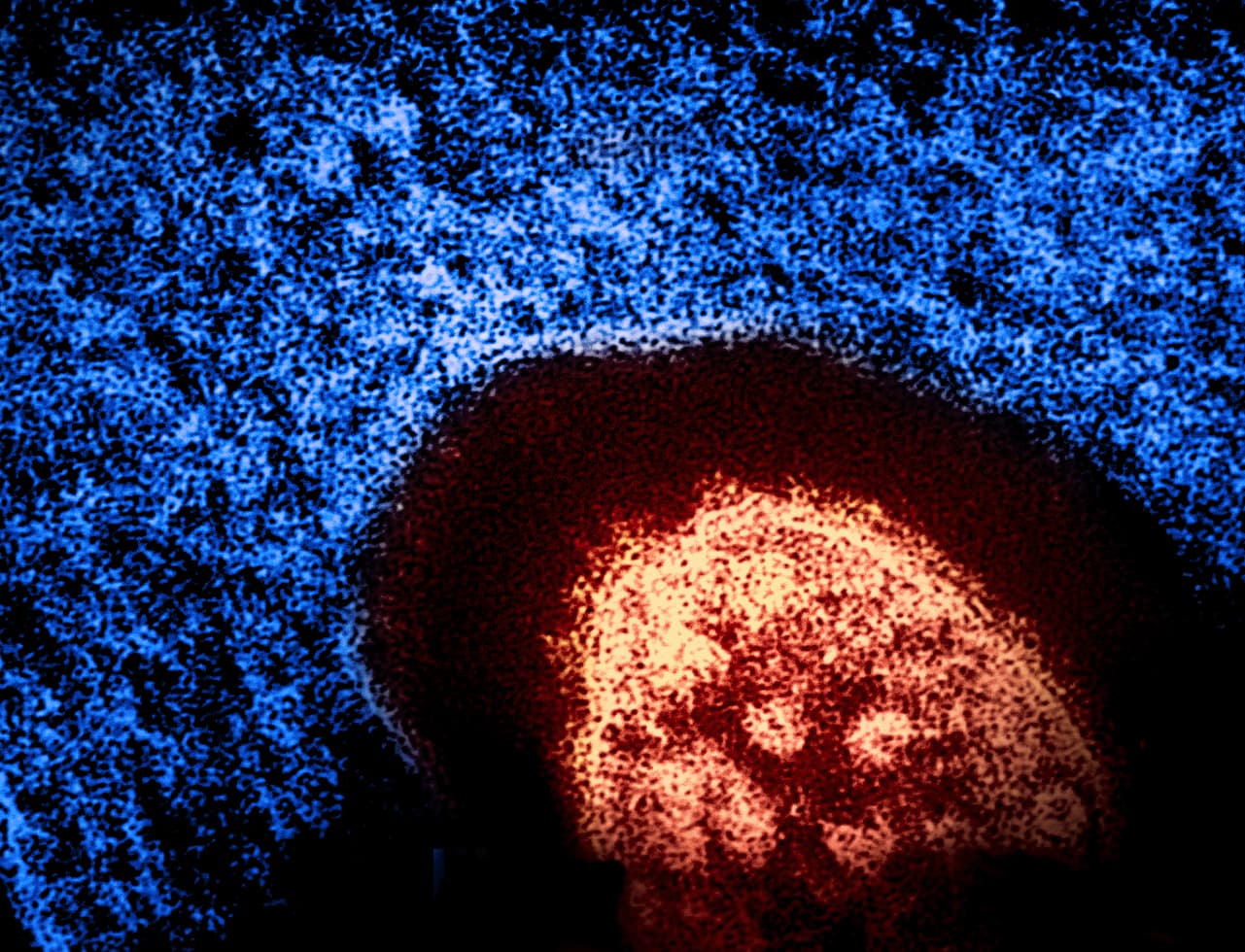
The Wisconsin Department of Health Services said in a press release on Thursday that an infant has died in connection with the measles outbreak in southwestern Wisconsin. The coroner listed measles as the immediate cause of death, and the agency said it was the first such death in the state since 1990. Officials said they would not release the infant's age or vaccination status to protect the family's privacy. TMJ4 News described the outbreak as southern Wisconsin, while the DHS press release specified southwestern Wisconsin.
“It is with a heavy heart we are reporting the first death of an infant connected with a measles outbreak in Wisconsin in many years. My heart is broken for the family,” DHS Secretary Kirsten Johnson said in a statement. She added, “Any death of a child is a tragedy and even more so when it is related to a vaccine-preventable disease”.
By November 3, DHS had recorded 431 measles cases in 13 counties for 2026, exceeding any yearly total in Wisconsin for over 35 years. Nine people have been hospitalized for severe symptoms. The agency cautioned that reported case counts may not capture all spread because some people do not seek care or get tested.
Measles can lead to pneumonia and brain swelling, with heightened risk of severe outcomes for children under 5, pregnant individuals, and people with compromised immune systems. The U.S. Centers for Disease Control and Prevention states that two doses of MMR are about 97% effective, and those who still get measles after vaccination tend to have less severe illness and are less contagious. State health officials said getting vaccinated is the most effective method of avoiding measles.
DHS said it has coordinated with local and Tribal health agencies and medical providers on finding cases, exchanging information, testing, and immunization efforts. Between August 1, 2026, and the time of the announcement, DHS provided 2,000 MMR vaccine doses to local health departments serving areas with confirmed cases, while Wisconsin health care providers gave more than 42,000 doses over the same span. Wisconsin residents can check their immunization records through the Wisconsin Immunization Registry or contact a health care provider.
Anyone exposed to measles should stay home, and people who develop fever and rash after exposure should call a provider before visiting so the clinic can prevent exposing others. TMJ4 News reported that people vaccinated before 1968 should ask a provider about a booster because the vaccine used before that year was less effective. The state did not release the infant's vaccination status, so the death report does not show whether the child had been vaccinated; DHS also said reported case counts may miss some infections.
Corrections. Report an error to corrections@clinicalobserver.com. Read our corrections policy.