Oral GLP-1 orforglipron reduces sleep apnea events in Phase III trial
In two Phase III ATTAIN-OSA studies, adults with moderate-to-severe obstructive sleep apnea and excess weight had fewer breathing interruptions, greater weight loss and lower blood pressure after a year on Lilly's Foundayo compared with placebo.
. 2-minute read.
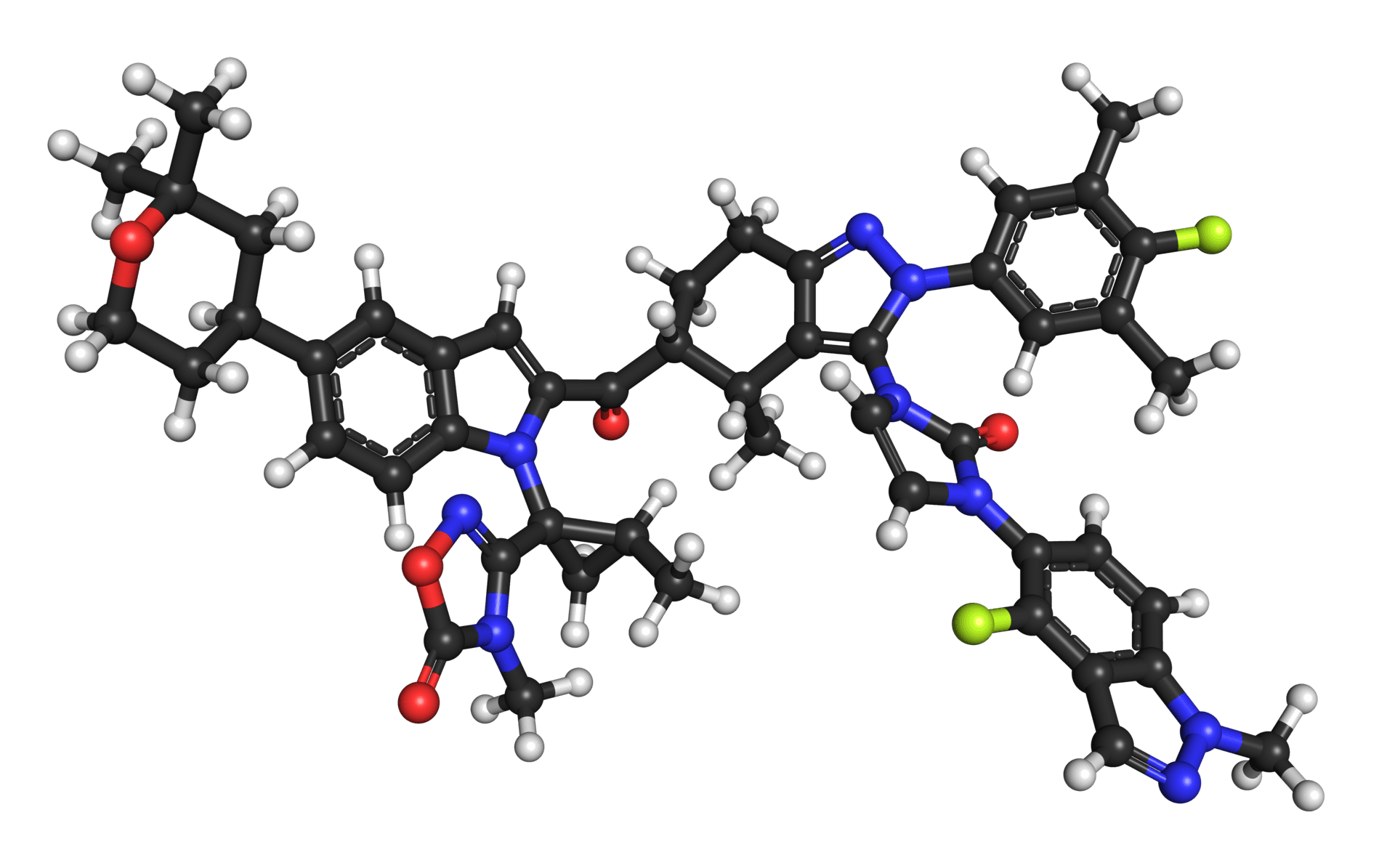
Eli Lilly's daily oral GLP-1 drug orforglipron, sold as Foundayo, reduced the apnoea-hypopnoea index (AHI), the primary endpoint, in two Phase III ATTAIN-OSA trials presented Monday at the American Heart Association Scientific Sessions 2026 and published in JAMA, Yahoo Finance reported. People assigned to the drug also lost more weight and had larger drops in blood pressure and an inflammation marker than those on placebo after 52 weeks.
The randomized, double-blind studies enrolled 712 adults with moderate-to-severe obstructive sleep apnea and a body mass index of 27 kg/m² or higher, without type 1 or type 2 diabetes, Medical Xpress reported. One trial included 363 participants not using CPAP therapy; the other included 349 current CPAP users who stopped the device for seven days before sleep testing. The average age was about 50 years and roughly 30% were women. The studies ran at 66 centers across North America, South America, Europe and Asia from October 2024 to July 2026.
In the no-CPAP trial, orforglipron lowered AHI events by 21.1 per hour, or 43.8%, from an average baseline of 50.7 events per hour, compared with a 5.5-event-per-hour reduction on placebo, Yahoo Finance reported. In CPAP users, the drug cut AHI by 18.3 events per hour, or 27.5%, from a baseline of 57.6 events per hour, versus 4.3 events per hour for placebo. About 47.2% of the no-CPAP group and 33.7% of the CPAP group achieved at least a 50% reduction in AHI.
Sleep apnea-related drops in blood oxygen levels fell by 51% in the no-CPAP trial and 44% in the CPAP trial for orforglipron, versus 18% in each placebo group, Medical Xpress reported. Body weight dropped about 10% to 11% among those on orforglipron, compared with 1% to 2% in the placebo groups, Medical Xpress reported. Systolic blood pressure fell by roughly 7.5 mm Hg and 7.0 mm Hg in the orforglipron arms, versus 1.7 mm Hg and 2.2 mm Hg for placebo. High-sensitivity C-reactive protein declined by 42% and 38% in the orforglipron groups, compared with 4% and 18% for placebo.
The most common adverse events were nausea, diarrhea and constipation, self-reported as mostly mild to moderate, Medical Xpress reported. Gastrointestinal effects are the most common side effects across the GLP-1 class, Quartz reported in November.
Researchers emphasized that orforglipron is not meant to replace CPAP therapy, but could expand treatment options, Medical Xpress reported. "If approved to treat obstructive sleep apnea, orforglipron could be a promising oral pharmacologic option for people with overweight or obesity and this condition," said presenting author Vaishnavi Kundel.
The studies did not follow patients beyond one year, excluded people with diabetes or mild sleep apnea, and under-represented some racial and ethnic groups. Longer studies with more diverse populations are needed to assess long-term cardiovascular outcomes, Medical Xpress reported. Lilly intends to file with the FDA by the end of 2026 for approval of Foundayo to treat moderate-to-severe OSA in adults with obesity or overweight, according to Yahoo Finance.
Sources: Medical Xpress, Yahoo! Finance, qz.com
Corrections. Report an error to corrections@clinicalobserver.com. Read our corrections policy.