HHS allows compounding of six unapproved peptides
State-licensed pharmacies may compound six unapproved peptides under specified conditions, but the policy is not FDA approval and can be reversed.
. 3-minute read.
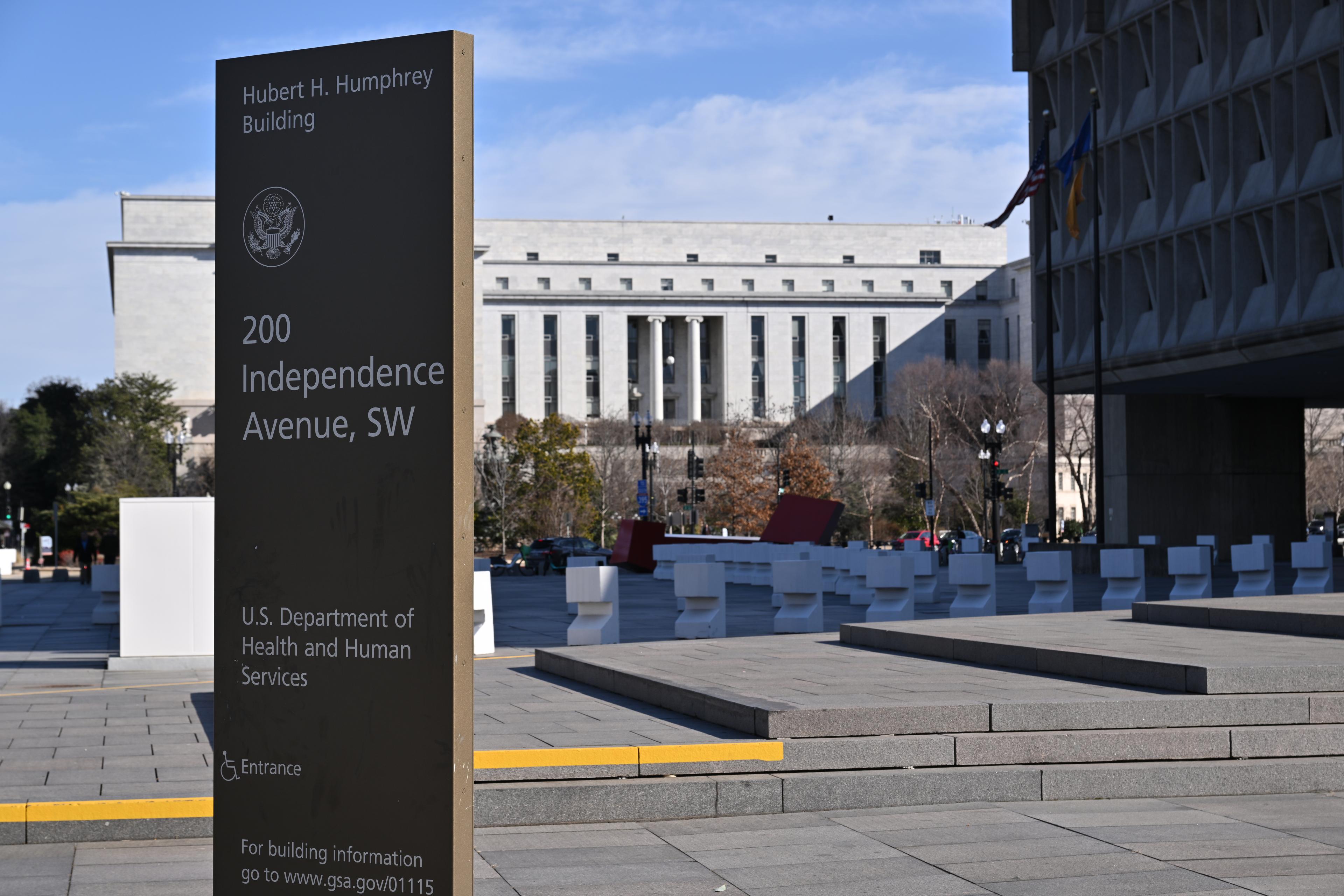
The Department of Health and Human Services will not take enforcement action against licensed physicians, federal facilities, or state-licensed pharmacies that compound six peptide bulk drug substances if they meet the policy's conditions, Legal 500 reported. The policy covers six substances: BPC-157, epitalon, KPV, MOTS-c, Semax, and TB-500.
HHS describes the measure as limited enforcement discretion, not an addition to the FDA's 503A bulks list or an approval of compounded products. The agency may reverse course if a safety signal or product quality problem emerges. None of the six peptides meets the usual eligibility criteria for a bulk drug substance: they are not in a USP/NF monograph, are not in an FDA-approved drug, and are not on the FDA bulks list.
In July, the FDA's Pharmacy Compounding Advisory Committee narrowly voted to recommend the six peptides for the bulks list despite opposition from FDA career staff. Clinical Observer reported in October that most FDA scientific staff opposed the proposal and were given only limited input, and that HHS acted after FDA officials warned that career scientists would not support a finding that the peptides are safe. The vote was nonbinding, and the formal rulemaking process could take many months to years, that report said.
HHS said the policy is meant to discourage ongoing use of research-only peptides bought from foreign suppliers and to steer patients toward federal facilities and licensed pharmacies and physicians, Clinical Observer reported in November.
What the policy requires
HHS set requirements for compounders before the enforcement discretion applies. These include using only a peptide listed in the appendix; using bulk substance from an FDA-registered facility with a valid certificate of analysis; ensuring the original manufacturer is registered with FDA and follows current good manufacturing practice; reporting serious adverse events to MedWatch; labeling with "This is a compounded drug product. Not for resale."; and compounding only one active ingredient. Oral peptide formulations also require evidence that the specific formulation is bioavailable in humans, and the only delivery device that may be co-packaged is an FDA 510(k)-cleared syringe. Compounders must comply with all other Food, Drug, and Cosmetic Act provisions.
Clinical Observer reported that the policy stays in effect only until each peptide is covered by a final FDA rule and can be ended sooner if a safety signal appears. The notice creates no legal rights and does not obligate HHS. Compounders cannot make blends or use injector pens, bulk ingredients must be sourced from FDA-registered manufacturers and pass about 20 testing categories, and identity must be verified by two independent methods, according to that report.
Industry and safety response
Hims & Hers, a telehealth company, plans to begin offering some of the unapproved peptides to customers soon, Clinical Observer reported citing Pharmaphorum. Its sign-up page says the products lack FDA approval and the agency has not reviewed them for safety, effectiveness or quality.
Critics say the policy does not establish safety or effectiveness. A former FDA official who leads the Center for Science in the Public Interest, Peter Lurie, said the agency was overlooking safety by making unproven drugs easier to obtain. Shabbir Safdar, executive director of the Partnership for Safe Medicines, said the interim stance and any future rule change would expose Americans to "untested dangerous substances." The partnership urged the FDA to disregard the advisory committee vote and block compounding, arguing the evidence is too weak and that several newly appointed advisory committee members seemed to have conflicts of interest.
The FDA has described BPC-157 as possibly causing immune reactions and containing peptide related impurities, with little or no safety information for how people use it. Health Secretary Robert F. Kennedy Jr has described himself as a "big fan" of peptides and said he used BPC-157 to recover from a muscle injury, that report said. International sports bodies list BPC-157 and TB-500 among prohibited doping substances.
Sources: Legal 500, Clinical Observer (1, 2)
Corrections. Report an error to corrections@clinicalobserver.com. Read our corrections policy.