Congo Ebola outbreak kills 5,568 and spreads to five countries
The Bundibugyo virus outbreak has no approved vaccine or treatment and has spread to Uganda, Kenya, Nigeria and France, with about half of confirmed cases fatal.
. 3-minute read.
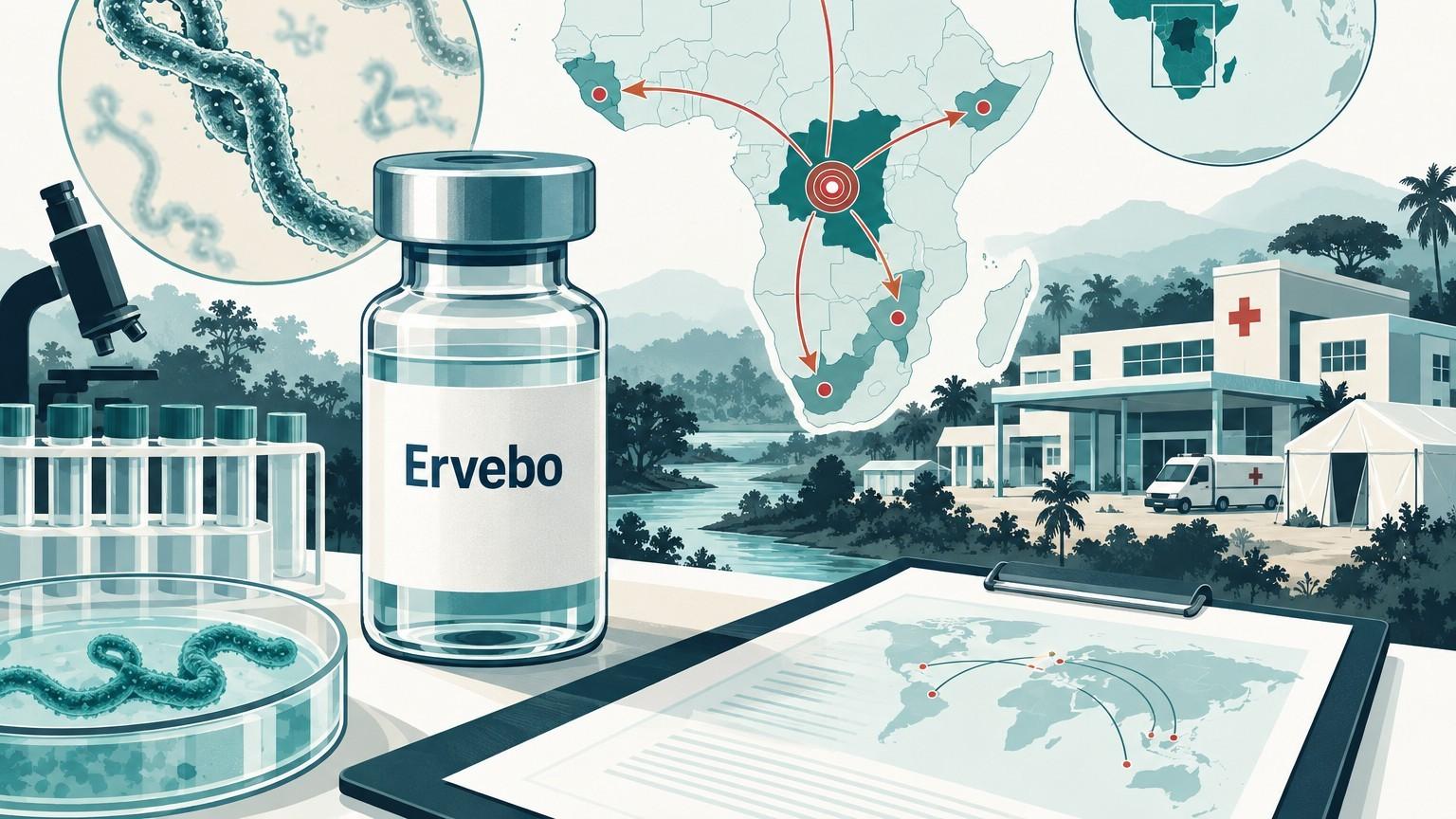
As of November 14, the Ebola outbreak that began in the Democratic Republic of the Congo had caused 5,568 deaths among 11,376 infections, Baller Alert reported on Monday. Cases have also been confirmed in Uganda, Kenya, Nigeria and France, making this the second-largest Ebola outbreak in recorded history.
As of November 10, the U.S. CDC had recorded 11,145 confirmed cases, including 5,437 deaths, Contagion Live reported Sunday. The Democratic Republic of the Congo accounted for 11,114 of those cases and 5,433 deaths. Confirmed deaths are roughly 49% of confirmed cases, according to the CDC data.
Six months after the outbreak was declared, it remains uncontrolled, Clinical Observer reported Sunday, citing Medical Xpress and government data. More than 11,000 cases have been recorded and nearly half of those infected have died. The DRC has now recorded more Ebola deaths than in any of its previous 16 outbreaks, and the toll could still exceed the roughly 11,000 deaths in West Africa from 2014 to 2016.
Congolese health authorities declared the outbreak on May 15, and two days later the WHO declared it a public health emergency of international concern, Baller Alert reported. The pathogen is Bundibugyo virus, a rare type of Ebola first identified in Uganda in 2007. Bundibugyo has no approved vaccine or approved treatment.
The outbreak has spread more quickly than any prior Ebola epidemic: the CDC says it reached 1,000 confirmed cases in 40 days, while the 2018 outbreak in the DRC needed about 235 days to hit the same mark, Baller Alert reported. The UN senior Ebola coordinator, Julien Harneis, said Friday the epidemic is "growing exponentially" and now covers an area larger than France, Clinical Observer reported Sunday.
The World Health Organization said it would immediately release 70,000 doses of Merck's Ervebo vaccine to the DRC, Deutsche Welle reported in August. Of those doses, 20,000 are earmarked for a Phase 3 clinical trial and 50,000 for frontline and health workers. Ervebo is licensed only for the Zaire strain, but early animal trial data suggest it may offer some protection against Bundibugyo, the agency said. In late October, a Phase 2/3 vaccine trial began in Bunia, Ituri province. The first injections used Ervebo, and candidates developed by Moderna and by Oxford University together with the Serum Institute of India are due to join the trial later, Clinical Observer reported.
Uganda, the first country outside the DRC to report cases, recorded 20 confirmed infections and two deaths before being declared Ebola-free in August. Most of those infected had been in the DRC, Baller Alert reported. The first case outside Africa was reported in France on June 24; it involved an intensive care doctor for the medical charity ALIMA who later recovered, Baller Alert reported. Kenya has reported nine confirmed cases and two deaths, all in Nairobi, with no spread beyond known contacts. Nigerian authorities confirmed their first case on October 20 in Abuja and identified 44 contacts. All cases in Kenya belonged to one transmission cluster, and officials said there was no community spread, Clinical Observer reported in October.
The United States has reported no cases linked to this outbreak, and the CDC considers the risk to the American public and travelers low, Contagion Live reported. Travelers who have been in the DRC within the previous 21 days are barred from boarding commercial flights to the US, and the CDC has roughly 500 staff working on the response, with more than 120 of them deployed to affected countries.
Containment remains difficult. Africa CDC says 80% of new cases are detected outside health surveillance, and about a third of deaths happen in homes or communities, Clinical Observer reported Sunday. Health workers have repeatedly walked off the job because their salaries are months behind, and Africa CDC has raised alarms about more than $700 million in Ebola aid that is unaccounted for. MSF described "a troubling disconnect between the considerable resources mobilised for the response and what is actually reaching patients, frontline workers and communities."
Children accounted for 35% of deaths recorded through November 4, according to UNICEF, and children under five represented 21% of all deaths, Clinical Observer reported. Nearly 72 percent of children under five who were infected have died. In eastern Congo, attacks have targeted health workers, killing some, and health facilities have also been struck. On November 13, Julien Harneis said Allied Democratic Forces fighters had recently caused more deaths than the virus itself, and their village attacks in southern Ituri and North Kivu put health workers at risk, Baller Alert reported.
Sources: Baller Alert, Deutsche Welle, Contagion Live, Clinical Observer (1, 2)
Corrections. Report an error to corrections@clinicalobserver.com. Read our corrections policy.