E. coli clusters tied to Illinois and California pumpkin farms
Health officials have confirmed ten STEC infections across two states, with children hospitalized; Bengtson’s closed its petting zoo and Brookshire Farms closed voluntarily while no source has been identified.
. 2-minute read.
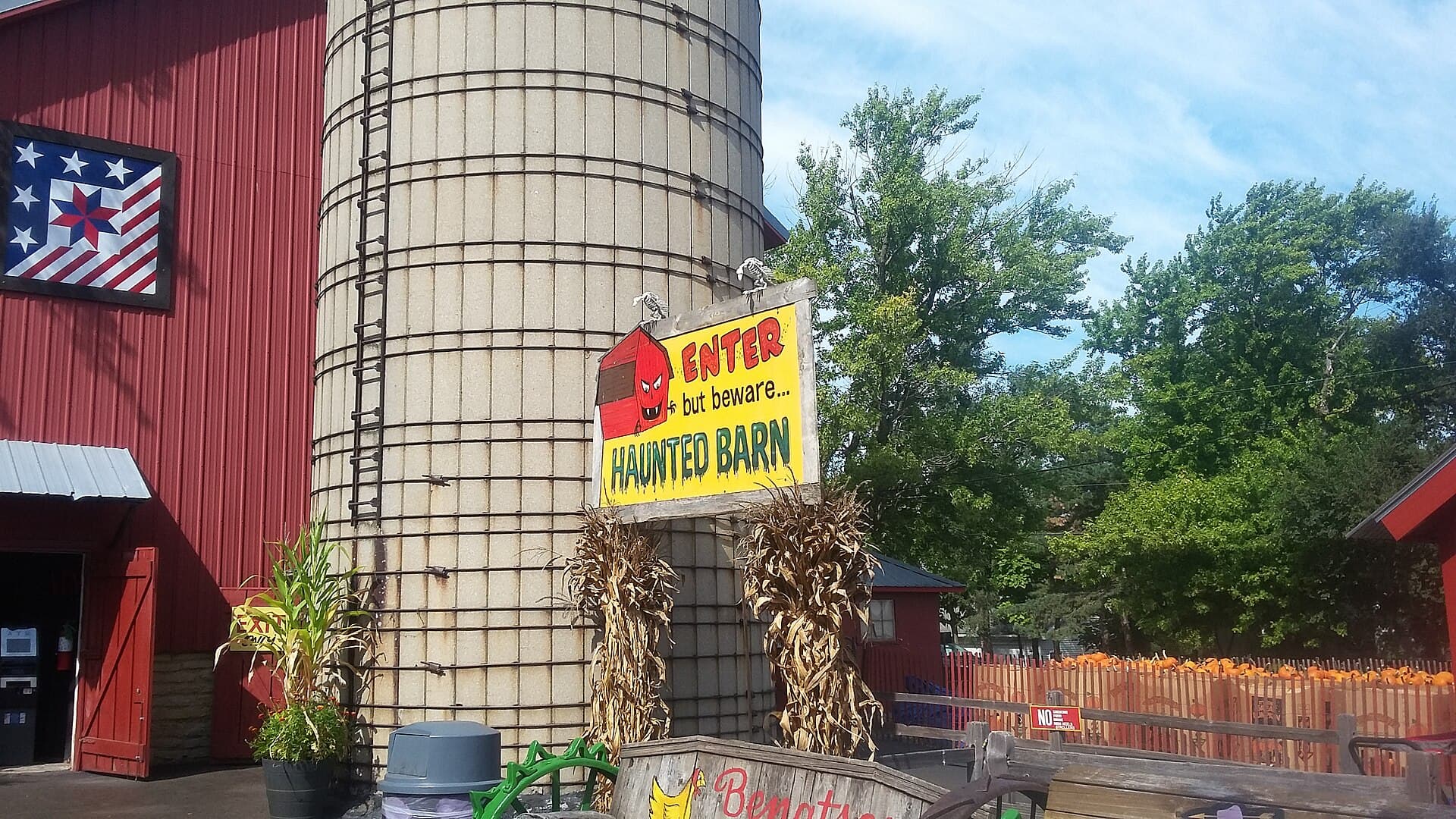
Two separate clusters of Shiga toxin-producing E. coli infections are under investigation at fall farm attractions in Illinois and California. In Illinois, the Will County Health Department announced on October 23 that five laboratory-confirmed STEC cases could be connected to visits to Bengtson’s Pumpkin Farm in Homer Glen, with exposures starting September 29. The farm voluntarily closed its petting zoo and arranged animal testing; the rest of the farm remains open.
On October 26, the county said four of the five Illinois patients had been hospitalized, the patients ranged in age from 4 to 38, and more than 200 visitors had completed a symptom survey. Animal and environmental samples were collected that day, with results expected in about ten days.
A second cluster emerged on October 27, when San Luis Obispo County Public Health confirmed five STEC cases and said it was investigating a potential link to Brookshire Farms in San Luis Obispo, with suspected exposures from October 16 through 26. The farm closed voluntarily during the investigation. SFGATE reported that three children among the five California cases were hospitalized in serious condition and were being treated in a pediatric intensive care unit.
Health officials describe STEC as bacteria that live in the intestinal tracts and feces of animals, including farm animals, and that animals can carry the bacteria while appearing healthy. The bacteria can spread through direct contact with animals, or through contaminated food, water, or surfaces. Symptoms usually appear three to four days after exposure, but can start anywhere from one to ten days later, and include severe stomach cramps, diarrhea that is often bloody, and vomiting, usually with little or no fever.
Most people recover within about a week, but young children are at particular risk of hemolytic uremic syndrome (HUS), a complication that can cause kidney failure. Illinois officials warn that children under five are at greater risk; California’s notice says children under ten are at highest risk of complications. An infectious disease expert at UC San Francisco told SFGATE that children under five are most at risk for severe symptoms because of their small size, and that antibiotics are not traditionally used for STEC infections because killing the bacteria can release a large amount of toxin and lead to sepsis. Patients usually receive supportive care.
Prevention recommendations center on handwashing with soap and running water immediately after leaving animal areas, even without direct animal contact; hand sanitizer is not a substitute. Health officials advise keeping food, drinks, strollers, pacifiers, and sippy cups out of animal areas, and separating animal contact areas from eating areas. The Compendium of Measures to Prevent Disease Associated with Animals in Public Settings also calls for staff supervision and animal health and manure management.
Neither investigation has identified a source. In Illinois, food-preparation tests have come back negative so far; the Marler Blog notes that a negative animal test would not necessarily clear the petting zoo because ruminants shed the bacteria intermittently. Both farms are cooperating; Bengtson’s petting zoo is closed and animal testing is arranged, and Brookshire Farms is closed voluntarily during the investigation.
Sources
- Trader Joe’s Faces Lawsuit Claiming 2 Women Were Hospitalized with E. Coli After Eating Wraps, AOL
- Five Sickened with E. coli – Bengtson’s Pumpkin Farm Petting Zoo Closed, Food Poison Journal
- Five E. Coli Cases Possibly Linked to Bengtson’s Pumpkin Farm in Illinois, Food Poisoning News
- Bengtson’s Pumpkin Farm E. coli Outbreak: Four of Five Sick Were Hospitalized, More Than 200 Visitors Have Reported Symptoms, and the Animal Samples Went to the Lab Monday. We Are Investigating for One of the Families., Marler Blog
- Public Health Confirms Five Shiga toxin-producing E. Coli Cases; Local Farm Suspected as Potential S, County of San Luis Obispo (.gov)
- Multiple children hospitalized after E. coli outbreak linked to SLO pumpkin patch, SFGATE
Corrections. Report an error to corrections@clinicalobserver.com. Read our corrections policy.