Ebola clinics torched in DRC as cases pass 10,900
Five health facilities were attacked in North Kivu, forcing hundreds of patients out, while confirmed cases reached 10,990 and deaths 5,354.
, updated . 3-minute read.
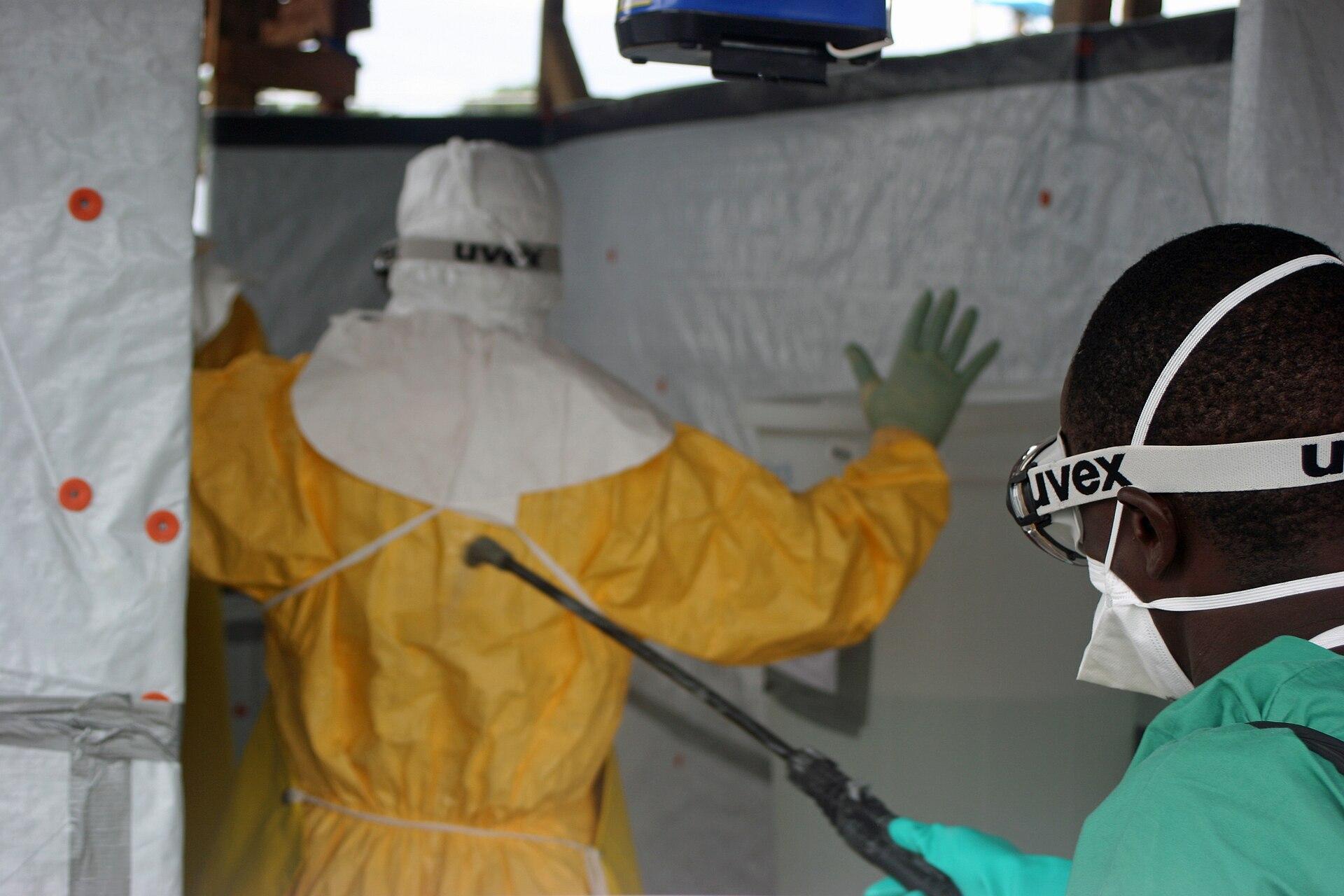
Armed fighters attacked five Ebola health facilities in North Kivu over five consecutive days starting November 4, burning three treatment centres and forcing hundreds of confirmed and suspected patients into surrounding communities, Tech Times reported on Wednesday. By November 10, the Democratic Republic of Congo had confirmed 10,990 Ebola cases and 5,354 deaths, which the report said makes the outbreak the second-largest on record.
Staff at a fourth facility in Beni extinguished a fire before it could spread, and fighters attacked a fifth facility in Cantine on the night of November 4, driving health workers out at gunpoint. In a November 8 statement, Africa CDC said the attacks were reportedly linked to the ADF and warned that the loss of treatment infrastructure threatens regional and global health security. WHO Director-General Tedros Adhanom Ghebreyesus posted: "Without peace, we cannot stop Ebola."
North Kivu now has the highest weekly case load of any province, with 2,593 confirmed cases and 1,422 deaths, a case fatality rate of 54.8 percent. That is nearly double the 25 to 40 percent case fatality rate among confirmed patients treated in Ebola treatment units during the 2014–2016 West Africa epidemic, according to the report. National contact-tracing follow-up is 86 percent against a WHO target of 95 percent; in North Kivu it is 82 percent. In July, WHO Emergencies Chief Chikwe Ihekweazu told NPR that 80 percent of new cases are not on contact lists and come from unknown transmission chains. A CDC monitoring report from September found 59 percent of confirmed Ebola deaths occurred outside treatment units. On average, contact tracing identified 10.6 contacts per new case, below the target of 20, while only 15 to 20 percent of new cases had been known contacts, far short of the goal of more than 90 percent.
By mid-August, 155 healthcare workers had caught the virus and 45 had died, a mortality rate of 29 percent, the report said. Most worker infections occurred outside Ebola treatment units, suggesting exposures in general hospital settings. The loss of trained responders cannot be replaced quickly, Tech Times said.
The outbreak has reached five countries, according to Tech Times. Kenya has 9 cases and 2 deaths, Uganda 2 cases, France one controlled case, and Nigeria one imported case in Abuja on October 20 who was evacuated to Geneva six days later. Nigeria reported its first Bundibugyo Ebola case in late October, Clinical Observer reported. Nigeria activated a national incident management system and was monitoring 53 contacts of the Abuja patient for 21 days, Clinical Observer also reported. Kenya's health ministry said its second death was a relative of the index patient, and all nine Kenyan cases were part of one transmission cluster with no community spread, Clinical Observer reported. Kenya traced 135 contacts of its first case and placed them all in quarantine, with the first group completing 21 days on October 25, according to the same report.
Tech Times reported that no approved vaccine or treatment exists for Bundibugyo virus. The only WHO-prequalified Ebola vaccine, Ervebo, was developed for the Zaire strain and has not undergone a Bundibugyo efficacy trial, according to the report. Three Bundibugyo-specific candidates are in development: the Tumaini candidate entered a Phase 2/3 trial in Bunia on October 23, and Oxford ChAdOx1 and Moderna mRNA-1469 have been recommended for expanded trials. None has demonstrated efficacy sufficient for emergency authorization, Tech Times said.
In June, Africa CDC and WHO began a joint $518 million response plan, but the DRC is still more than $180 million below its funding target, Tech Times reported. U.S. health programming reductions have affected surveillance capacity, according to implementing partners cited by Tech Times. The Gates Foundation has committed $45 million to Bundibugyo vaccine development, the report said. The latest report does not estimate how the clinic burnings changed transmission.
Update, November 11, 2026
The outbreak has now passed 11,000 cases. The Toronto Star reported on Wednesday that the latest health ministry data showed 11,042 people infected and 5,387 deaths, nearly half of those infected, making it the country’s deadliest outbreak. The Bundibugyo virus has spread to eight of the DRC’s 26 provinces, the report said, and it still has no known vaccine or treatment. Since the outbreak was declared in mid-May, authorities have struggled to contain it because of conflicts and a health system crisis, according to the report.
Update, November 13, 2026
WHO health emergencies head Chikwe Ihekweazu said on Friday that the Ebola response is showing "encouraging signs," with cases falling in former hotspots such as Bunia, but that new infections are appearing in more rural, harder-to-reach areas, The Straits Times reported. Insecurity is now the biggest challenge the response faces, he said, citing WHO data that health sites and workers have been attacked 80 times so far. Médecins Sans Frontières was less optimistic, saying supplies are missing and the virus is still spreading out of control, the newspaper reported. UN special Ebola coordinator Julien Harneis responded that the area of operation is vast and that responders can operate 80 percent of the time across it.
Sources: Tech Times, Clinical Observer (1, 2), Toronto Star, The Straits Times
Corrections. Report an error to corrections@clinicalobserver.com. Read our corrections policy.