Inclisiran Cuts Cardiovascular Events in Phase 3 ORION-4 Trial
Topline data from 16,000 adults with established ASCVD show a significant reduction in major adverse cardiovascular events, but Novartis has not disclosed the effect size or detailed safety results.
. 1-minute read.
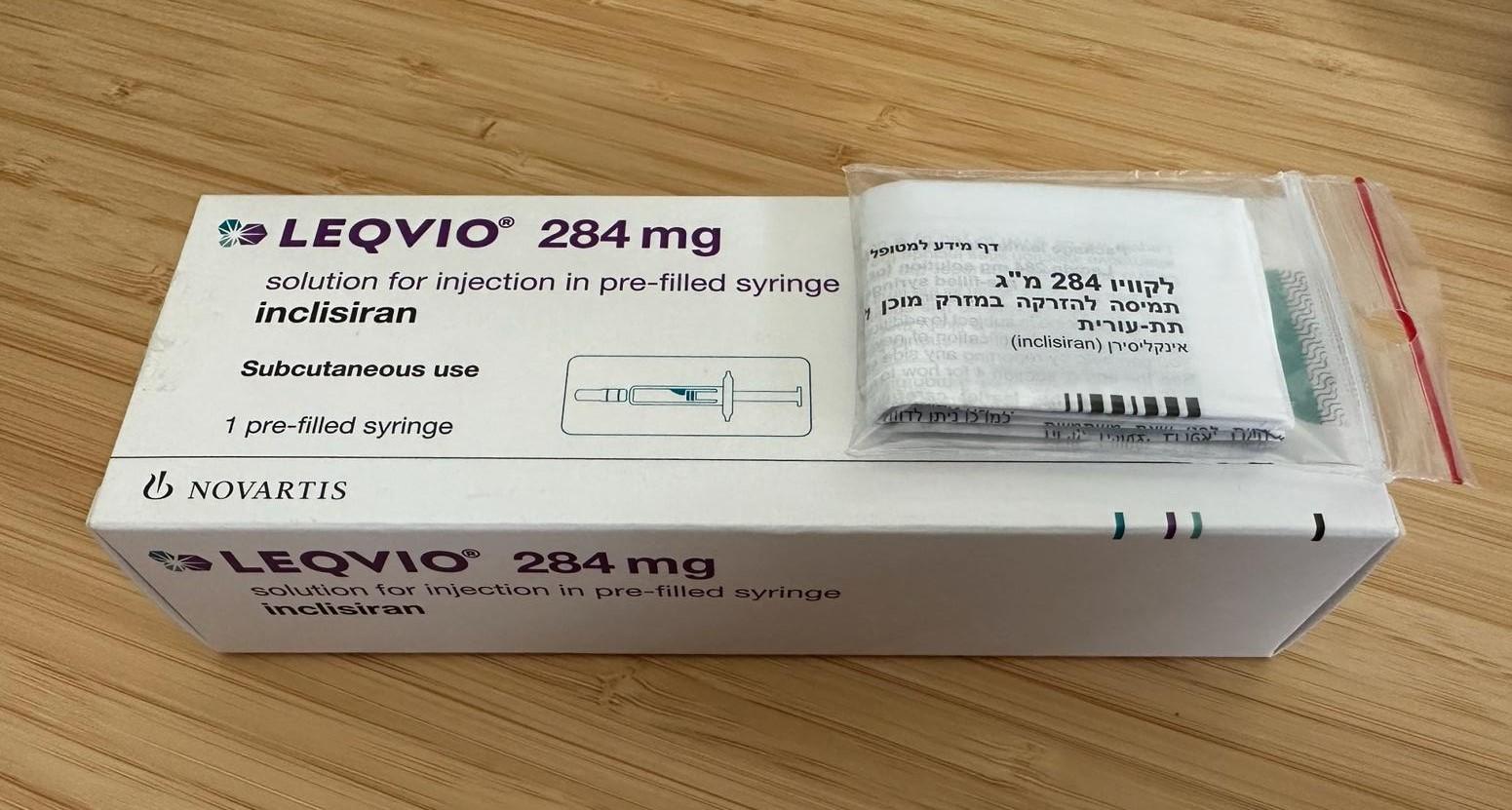
Inclisiran, a twice-yearly small interfering RNA sold as Leqvio, was compared with placebo when added to usual lipid-lowering treatment in more than 16,000 adults who already had atherosclerotic cardiovascular disease, 2 Minute Medicine reported on the phase 3 ORION-4 topline results. In the randomized, double-blind, controlled study, participants got the drug or placebo at baseline, again at three months, and then every six months. The main outcome was major adverse cardiovascular events, made up of coronary heart disease death, myocardial infarction, ischemic stroke whether fatal or nonfatal, or urgent coronary revascularization. Novartis announced that inclisiran produced a statistically significant reduction in this endpoint, but it did not disclose the effect size, confidence interval, or P value. Secondary outcomes included MACE among those taking high-intensity statins when they entered the trial, a combined endpoint of coronary heart disease death or myocardial infarction, and death from cardiovascular causes; no results for any of these were shared. Novartis called the therapy well tolerated without giving numerical safety results.
According to AJMC, this is the first cardiovascular outcomes evidence for inclisiran, the only small interfering RNA approved to lower LDL cholesterol. The company statement described the reduction as statistically significant and clinically meaningful, but did not disclose the total reduction, hazard ratios, or safety data. Louise Bowman, who leads ORION-4 at Oxford Population Health, said in a statement: “ORION-4 provides evidence that inclisiran is well tolerated and can reduce the risk of major cardiovascular events in people with established vascular disease.” Ruchira Glaser, Novartis's head of cardiovascular, renal, and metabolism development, said: “ORION-4 marks a meaningful advance, demonstrating for the first time the potential to significantly reduce cardiovascular risk with a twice-yearly therapy.” Novartis said full results would be published in the first half of 2027.
According to ScanX, up to 80% of people with ASCVD do not meet their LDL-C targets, and ASCVD accounts for 85% of all cardiovascular deaths. ORION-4 and the still-running VICTORION-2 PREVENT trial together enrolled more than 33,000 volunteers, and VICTORION-2 PREVENT results are expected in 2027.
Sources: 2 Minute Medicine, scanx.trade, AJMC
Corrections. Report an error to corrections@clinicalobserver.com. Read our corrections policy.