Nigeria confirms first Ebola case as regional outbreak spreads
A woman who travelled from Uganda tested positive in Abuja. Kenya recorded its ninth linked infection the same day, and the DRC count exceeded 9,000 cases.
. 3-minute read.
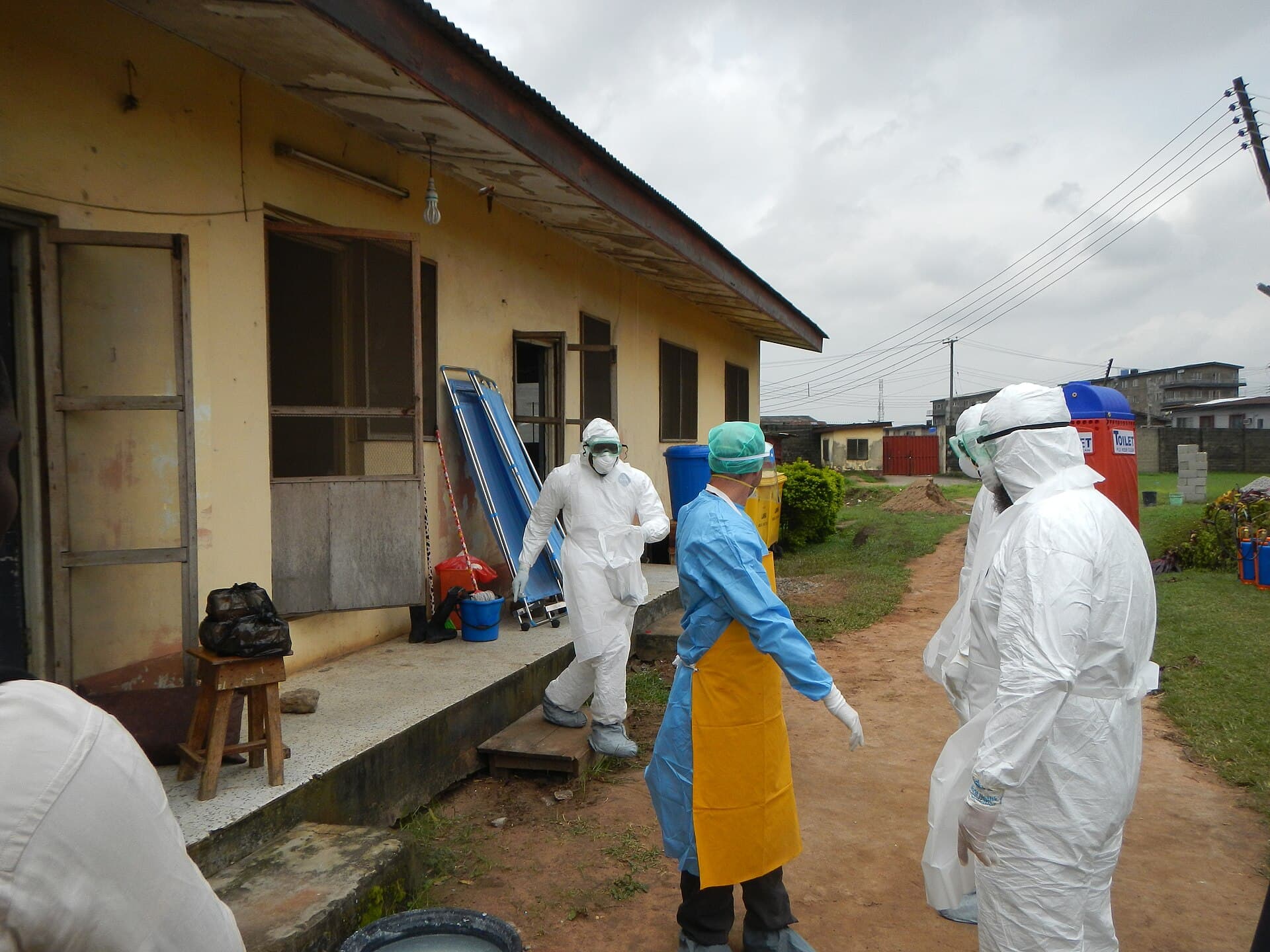
Nigeria confirmed its first Ebola case of the current outbreak on 20 October, when a woman travelling from Uganda tested positive in Abuja, the health ministry said. Health Minister Muhammad Ali Pate said contact tracing had begun with 44 people identified and that authorities were working to contain the case. "We are doing everything possible to contain this case by tracing all the contacts the individual may have had," he said. The woman began to show symptoms on 7 October and was admitted to a private Abuja hospital on 11 October, where the diagnosis was later made. Pate said the patient was symptom-free on arrival in Nigeria, though she had not confirmed travel to the Democratic Republic of Congo, and authorities believed Uganda was the likely place of infection. Uganda's ministry of health said the country had no active Ebola cases and that passage through Uganda did not prove infection happened there. The patient's nationality and itinerary remain disputed: BBC reported health sources saying she was not Nigerian and was the wife of a diplomat, while PBS cited Uganda's ministry saying she was a Nigerian woman who had travelled to eastern DRC for business. Nigeria's authorities have not made her nationality public.
The outbreak was declared in DRC in May 2026 and is caused by the Bundibugyo virus, a rare species with no licensed vaccine or approved treatment, although trials are under way. By late October, DRC had recorded more than 9,000 confirmed cases and more than 4,000 deaths; BBC and PBS cited figures above 9,500 cases and at least 4,600 deaths, while Al Jazeera reported more than 9,000 cases and 4,000 deaths, and France24 reported more than 9,000 confirmed cases and 4,381 deaths. The European Centre for Disease Prevention and Control called it the second-largest Ebola epidemic on record.
Uganda reported cases soon after the declaration and at least two people died, but the country declared itself free of Ebola in August after its last patient was discharged. Kenya's first case was a man who had lived in DRC and travelled through Uganda; he died at a Nairobi hospital on 5 October. Kenya confirmed that first case on 6 October. The Kenya cluster grew to nine on 20 October with a positive test in a 24-year-old man already in quarantine as a close family contact. Kenya's director-general for health, Patrick Amoth, said all nine cases belonged to one cluster, eight patients were stable and responding to treatment, and contact tracers had found and quarantined all but one of the 135 identified contacts. He added that contacts who remained well could leave quarantine from 25 October. Kenyan health authorities said the country had not restricted travel, trade or public gatherings. The United States advised citizens to avoid travel to Kenya because of health risks; BBC reported that advisory on Monday, France24 on Tuesday.
The NCDC had prepared before the first case. In a statement signed by Director-General Jide Idris, the agency said as of 6 October there was no confirmed case in Nigeria but that it was reviewing risk and strengthening preparedness after Kenya's imported case. Nigeria set up an Ebola task force in June, after the DRC outbreak began in mid-May. Two weeks before Nigeria's confirmation, NCDC said it had stepped up surveillance, with work on early identification, isolation and referral, laboratory testing, infection prevention and control, tracing contacts, communicating risk and protecting health care workers.
Africa CDC Director General Jean Kaseya said on X that "we are facing an extremely serious threat," with a case fatality rate close to 50 percent, and called the outbreak "the most geographically extensive in history, affecting several countries spread across three regions of Africa". He asked the international community to provide funds, medical supplies and health workers. WHO has said this is the fastest-spreading Ebola outbreak on record and could surpass the deadliest, West Africa's 2014-2016 epidemic that killed 11,000 people; Nigeria recorded 20 cases in that outbreak before it was contained.
Sources
- NCDC Heightens Ebola Vigilance After Kenya Confirms Imported Case Linked To DRC Outbreak, Arise News
- Nigeria confirms Ebola case linked to East Africa, BBC News
- Nigeria confirms an Ebola case in Abuja as a woman arriving from Uganda tests positive, NPR
- Nigeria confirms first Ebola case amid concerns about continental spread, Al Jazeera
- Nigeria records first Ebola case as outbreak spreads across Africa, FRANCE 24
- Nigeria confirms Ebola case in its capital as woman who arrived from Uganda tests positive, PBS News
Corrections. Report an error to corrections@clinicalobserver.com. Read our corrections policy.