Nigeria confirms first Ebola case in more than a decade
The patient had travelled through Uganda, but exposure remains unclear as the rare Bundibugyo strain reaches four countries.
. 2-minute read.
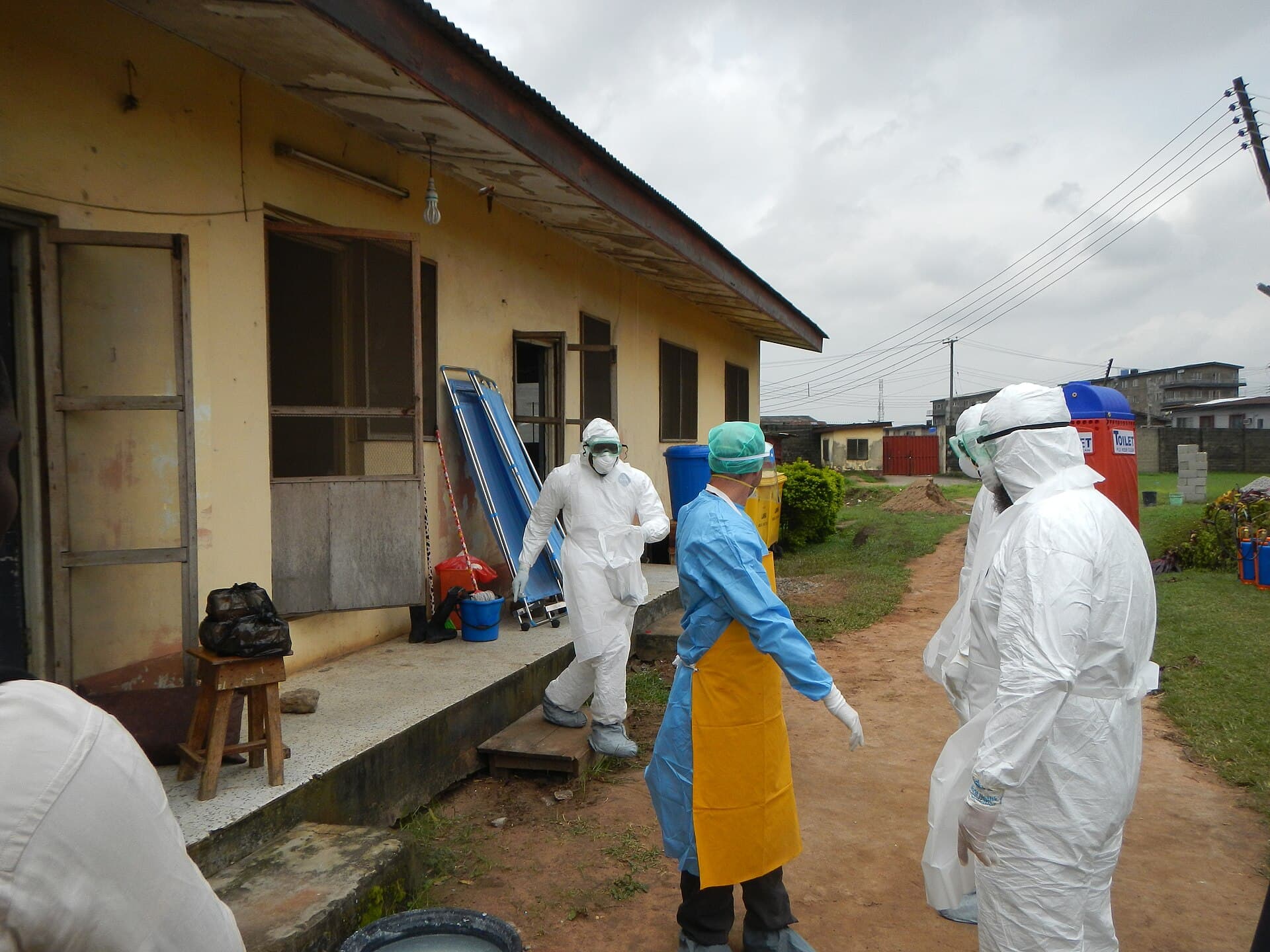
A woman who arrived in Nigeria from Uganda tested positive for Ebola in Abuja, The Guardian reported, citing Nigeria's health ministry. She developed symptoms on 7 October and was hospitalized in Abuja four days later, where the diagnosis was made. It is unclear when she arrived in Nigeria.
Conflicting accounts of the patient's identity and travel history have emerged. The News International, citing The Guardian, reported that the patient is the Ugandan-born wife of a Swiss diplomat in Abuja and that Switzerland's foreign ministry said she had not visited the Democratic Republic of Congo, where the outbreak started in May. The Guardian's own report, however, says Uganda's health ministry stated the patient is a Nigerian woman who travelled on business to Congo's eastern region and only transited through Uganda. Nigerian authorities have not disclosed her nationality.
Nigeria's health minister, Muhammad Pate, said officials had started contact tracing for 44 people linked to the patient. He said authorities were working to contain the case and trace all contacts.
The WHO is looking into whether the case is connected to an Ebola patient in Kenya, since both are reported to have passed through Uganda's Entebbe airport on 3 October, The News International said. However, experts cautioned that being at the same airport does not by itself prove a link between infections.
The outbreak has now reached the Democratic Republic of Congo, Uganda, Kenya and Nigeria. Kenya has recorded nine infections since its first case earlier this month, The Guardian reported. Tippinsights reported that active transmission clusters exist in two of the newly affected nations, and imported cases have reached three African regions.
This outbreak is caused by the rare Bundibugyo Ebola strain, and no approved vaccine or treatment is available. More than 9,500 people have been infected and more than 4,600 have died. Dr Jean Kaseya, director general of the Africa Centers for Disease Control, said on X that "we are facing an extremely serious threat," with a case fatality rate close to 50 percent.
Nigeria's Centre for Disease Control said two weeks earlier it was stepping up surveillance after Ebola was detected in Kenya, focusing on early detection, isolation, laboratory diagnosis, infection prevention, contact tracing and protection of health workers. The country had set up an Ebola taskforce in June, after the outbreak in Congo started in mid-May.
Health authorities have not determined where the woman was infected, and Uganda's health ministry said passing through Uganda does not mean the infection was acquired there; Uganda has "no confirmed active Ebola cases".
Sources
Corrections. Report an error to corrections@clinicalobserver.com. Read our corrections policy.